
Fan Clubs are experiencing a vibrant resurgence, rekindling the deep connections fans crave with their favorite artists. These dynamic superfan communities not only foster unwavering loyalty but also drive substantial revenue, achieving what social media and email simply cannot. In today’s fast-paced world, the power of direct fan engagement has never been more crucial. Fan Clubs offer a centralized hub where artists can connect intimately with their audience, free from the limitations and distractions of mainstream platforms. Both fans and artists are embracing this revival, discovering the immense joy and tangible benefits that come from building and nurturing these direct, meaningful relationships. As Fan Clubs make their stylish comeback, they are proving to be the cornerstone of a thriving, passionate fanbase. Artists from the Levellers to Paloma Faith, Nadia Rose to The NewsBoys are building their own communities at scale. In contrast, others are left behind fighting for attention in the constantly moving world of social platforms that give little back to both fan and artist.
What’s Causing Growth Of Fan Clubs?
Apart from the obvious, this seems to be a moment that, for the first time in a long time, we’ve all had time to step back and think about how some of the social tools we use to develop and promote were never quite as good as we first thought.
Take Facebook, for example. Over the past decade, it’s often been the default destination for most fans. Brands, promoters, labels, management, and even merch companies have all used paid ads to reach fans, and this infrastructure has allowed a whole industry of social media management companies to flourish on their ability to work the algorithms. But why should we need to navigate algorithms each time we want to reach the same fan? This is where direct marketing, loyalty platforms, and super fan apps come in, helping solidify a permanent connection without recurring advertising to the same people over and over again.
How Did Social Networks Take Over Relationships?
By accident!
Once upon a time, there was a site called MySpace. Remember that? It became THE destination for artists, allowing them to communicate directly with their fans – for free, much like traditional fan clubs.
Then Facebook came along and changed everything. They created a platform that owned the relationship between users and “Page” owners. All we know about a Facebook user is their name and profile picture, although Facebook knows much more. However, Facebook’s platform was better than MySpace, and we all migrated our artists there, with fans following suit. It was easy: inform fans about your new Facebook page on your MySpace profile, and like magic, they followed your instructions. The same is happening with fan club apps today. Tens of thousands of fans are moving to artist-specific apps, recognizing them as the true home for their favorite artists. And the difference? You own the relationship again.
The Resurgence of Fan Clubs
We’ve already seen the splintering of social networks. Facebook, Instagram, Snapchat, Twitch, TikTok, YouTube, and Reddit, to name a few, all share one common trait: they aim to capture everyone in one place. As we have learned from Twitter, this approach doesn’t work well. Hate speech thrives – nice interactions don’t get likes. LinkedIn knows its audience and, more importantly, its users understand why they are there. Everybody behaves with etiquette and community standards. LinkedIn is a specialist micro-network for business professionals, much like the communities built within fan club apps for artists.
Challenges with Traditional Social Networks
At the peak of social media, users are experiencing fatigue from constant posting and diminishing meaningful interactions. Privacy concerns about the vast amounts of personal data being collected are also on the rise. It’s no wonder fans and artists are seeking the community and safety that specialized platforms provide, a safe place for fandom to thrive. A place where both artists and fans feel the love and connection they deserve, away from the chaos of mainstream social networks.
The Shift Towards Dedicated Fan Engagement
With growing concerns about online privacy and a lack of trust in traditional social networks, a significant shift is underway. Yes, we all use social networks, but most of us don’t even like them anymore. New platforms make big promises, but can they deliver real connections or just passive, increasingly meaningless likes and followers? Does Taylor Swift really have 76 million fans, as her follower count suggests? Of course not. Let’s stop kidding ourselves. If that were even close to accurate, why would Apple only have 11 million followers? Vanity metrics should not be our focus. Fans matter, and direct Fan Tools like Super Fan Apps and Digital Loyalty Platforms provide
FanCircles: Empowering Artists and Fans
Fan Club Platforms from FanCircles: Who’s FanCircles?
Fans prefer to engage with their artist or band directly, not via a social network.FanCircles has the tools and expertise to power amazing fan club apps. We work behind the scenes, providing the technology and support needed to build strong fan relations and revenue. The artist takes center stage, and always should.
FanCircles doesn’t rely on the business practices of current social networks. There’s no ads, no algorithms, and no data harvesting. Both fans and artists want this. The data belongs to the client. Our sole purpose is to provide a tech solution that allows you to grow your fan base on a platform that complements social networks, with you in the driver’s seat.
Benefits of Using FanCircles
Subscriptions drive tens of thousands of dollars in income to creators each month.
For a closer look at how this applies to your situation, explore our fan pass platform for creators.
It’s a good time to assess the state of marketing on social media. Fans are increasingly confused about where to find the most up-to-date information from an artist. Social media marketers are frantically updating more networks with the same posts, often reaching the same audience repeatedly – or not at all.
Subscriptions generate substantial monthly income for artists.
It’s time to embrace a better way to communicate with fans while simultaneously generating recurring revenue from the activities that you already do. You don’t need to take our word for it; it’s already working for artists and hundreds of thousands of fans.
Launching a fan club app is far more straightforward than you’d think. There’s no barrier to entry: one post on Facebook and fans instantly register for the artist’s fan club app. All you need is the right technology, and we’ve got that.
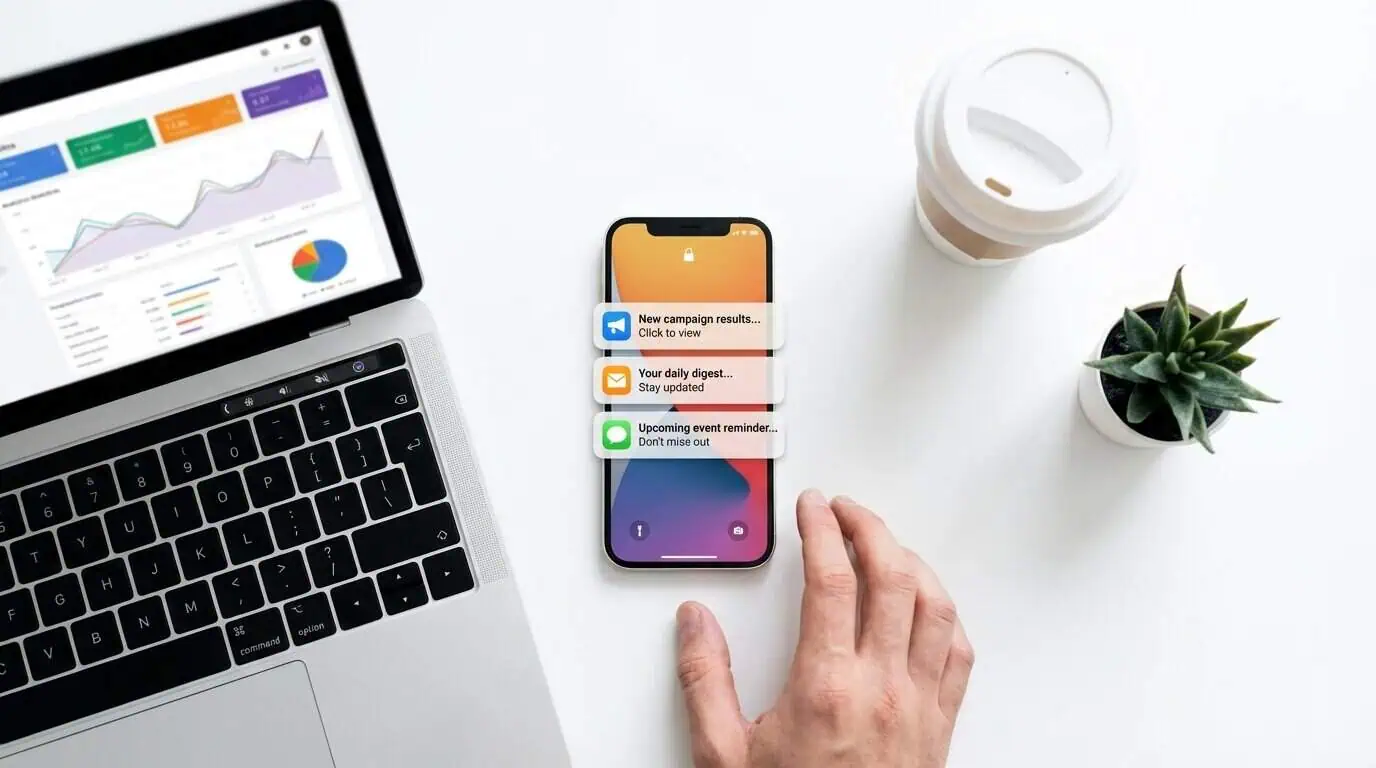
And if you’re not ready for that, PushPass could be the answer. It gives you the same direct communication through wallet passes, without building an app. Your audience adds your branded pass in one tap, and you reach their lock screen whenever you choose.”
A 15-minute call. Your brand on your lock screen before it ends.