
Creating a digital loyalty card no longer requires building and maintaining a mobile app.
Today, established brands, retailers, and creators with existing audiences can implement digital loyalty cards that live in Apple Wallet and Google Wallet, remain visible on a customer’s phone, and support ongoing engagement.
This isn’t just about issuing a digital loyalty card. It’s about the tools behind a loyalty card. At the heart of it is the Google or Apple Wallet. If used with the correct wallet pass platform, such as FanCircles wallet pass platform PushPass, you can create an experience that persists beyond initial interactions, campaigns, or promotions, and one that can be measured through engagement actions. All of this is possible with wallet passes and platforms that enable modern audience engagement.
What Is a Digital Loyalty Card
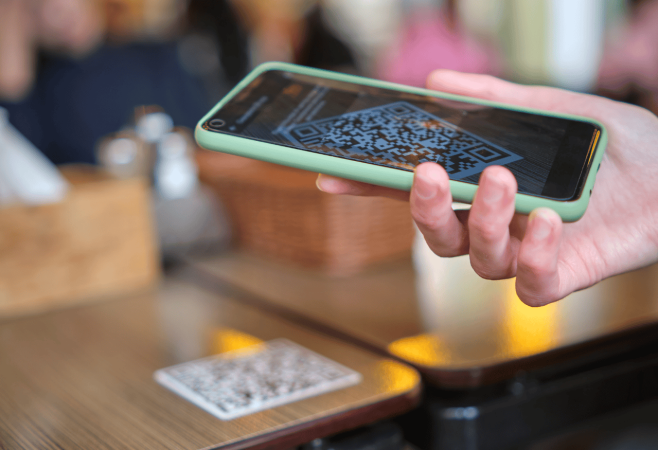
A digital loyalty card is a loyalty card that lives in a customer’s phone wallet. It can be distributed via a link or QR code. This installs a wallet pass, which is then used to support a loyalty program with fewer barriers to entry, making it possible to onboard 4x or more users than traditional store cards, and works for brands that work with influencers and influencers who work with brands.
More often than not, brands use several types of digital loyalty cards;
- App-based loyalty cards that function only within a branded app
- Web-based loyalty cards accessed through customer accounts
- Mobile wallet pass loyalty cards installed into Apple Wallet or Google Wallet
Modern digital loyalty cards are increasingly designed to act as a communication and engagement layer, not simply a static record of points or stamps.
Why an App Is Not Required for Digital Loyalty
Digital loyalty card programs, which of course started as plastic cards, are now digital tend to rely on apps to send notifications. While apps offer control, they’re also costly to setup and maintain, introduce friction and from our experiences, for every app install around 230 people will choose a digital loyalty wallet pass instead.
- Many customers are reluctant to install additional apps
- Install rates are lower than expected for infrequent or campaign-driven audiences
- Account creation and logins create friction
- Engagement commonly declines quickly
This does not mean apps don’t work, but it does mean they are a big commitment for brands as well as their audience.
For brands that prioritize reach, ease of adoption, and consistent participation across larger audiences, removing the app requirement significantly improves loyalty uptake. Adding the ability to send push notifications also supercharges your engagement.
How Brands Create a Digital Loyalty Card Without an App
Step 1. Define what the loyalty card represents
At an brand level, a digital loyalty card may represent membership, tiered access, points accumulation, exclusive offers, or early access. The most successful models start with a clear, simple definition that evolve over time.
Step 2. Select a wallet-first delivery model
To avoid apps, brands can deploy loyalty card as digital wallet passes that sit in both Apple and Google wallets.
Step 3. Design essential card fields
Effective loyalty cards focus on clarity. Common fields include brand identity, member identification, and optional tier or status indicators.
Step 4. Define entry points at scale
Wallet pass loyalty cards are commonly distributed via QR codes at checkout, links in email or SMS, website placement, and inclusion in influencer or campaign-driven content. When this is done efficiently and with as little friction as possible, take up rates can skyrocket 4-6x. FanCircles PushPass delivers results like this.
Step 5. Use notifications as the engagement layer
The use of notifications enable brands to maintain reach, return visits, and re-engage audiences however they are not often used by major brands due mostly them being new features that have taken time to develop access both Apple and Google’s wallet infrastructure. They are now ready for mainstream adoption.
Step 6. Measure engagement signals
Installs, opens, taps, and responses provide insight into whether loyalty participation is strengthening or decaying over time. Sales are now only part of the engagement game.
What to Look for in a Digital Loyalty Card Platform
- Support for Apple Wallet and Google Wallet
- No requirement for customers to install an app
- Simple installation via links or QR codes
- Full branding control
- Notification capability for engagement
- Visibility into engagement signals
- Scalability for growing audiences
- Clear ownership of customer data
At scale, the distinction between a card generator and loyalty infrastructure becomes critical.
Common Reasons Digital Loyalty Initiatives Underperform
Treating loyalty as a one-time activation
Loyalty adoption improves when engagement is sustained over time, rather than confined to a single promotion or action.
Introducing friction too early
Requiring app installs or full data capture at the point of entry significantly reduces participation. Removing data capture while still having the connection has been seen to increase take-up from 2-3% to 10-15%.
Evaluating success only through transactions
Engagement signals precede purchases and provide earlier insight into loyalty. When combining these signals with sales, growth in brand trust also matures faster.
Using QR codes solely as checkout tools
QR codes with soft CTAs are more effective for relationship building than for immediate sales action. Sofern the onboarding to offer value and sell later is where the value really lies.
Apple Wallet and Google Wallet Loyalty Cards in Practice
- A customer scans a QR code or accesses a link
- The loyalty card installs into Apple Wallet or Google Wallet
- The card remains accessible on the device over time
- Notifications support ongoing engagement
This model is particularly effective for retailers, brands running campaigns, and creators working with large audiences, where app adoption cannot be assumed.
Platforms such as FanCircles’ PushPass support this approach by providing a wallet-based loyalty infrastructure that prioritizes adoption, persistence, and measurable engagement.
Digital Loyalty Cards Without an App
Digital loyalty cards don’t require an app to be effective.
- Wallet-based delivery reduces onboarding friction
- Apple Wallet and Google Wallet support persistence
- Notifications enable ongoing engagement
- Engagement signals provide visibility over time
For brands investing in a loyalty card platform as a long-term tool, treating digital loyalty cards as a funnel rather than simply a sales asset leads to stronger adoption and more durable customer relationships.
A 15-minute call. Your brand on your lock screen before it ends.