Streaming Platforms: The World’s Biggest Jukebox
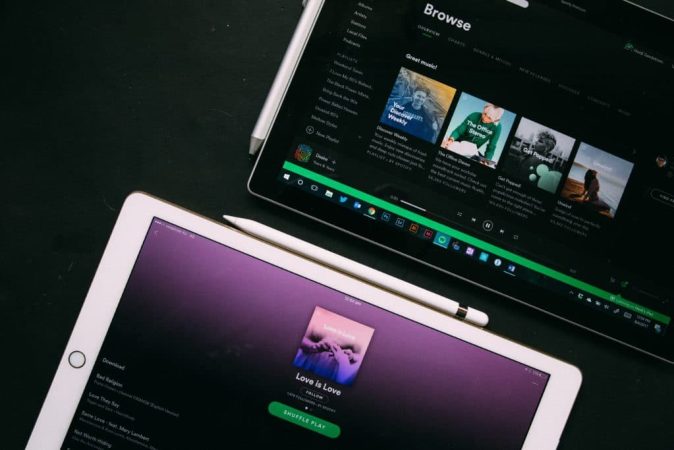
Music streaming networks like Spotify and Apple Music have transformed music consumption, turning them into the world’s biggest jukeboxes, offering listeners endless access to tracks at the touch of a button. In the past, radio was the promotional tool that drove music sales. People heard a song, and if they liked it, they bought the product, whether it was a CD, vinyl, or cassette. This direct link between radio play and physical sales allowed artists to make a living from their music. However, streaming has flipped that model on its head; the “radio” is now on-demand streaming, and the promotional tool has become the product itself, with the revenue artists earn from streams being a tiny fraction of what they once made from physical sales. Interestingly, while streaming dominates, vinyl sales have experienced a significant resurgence. According to the 2023 RIAA report, vinyl sales in the U.S. grew by over 17%, with 41 million units sold in 2022, surpassing CD sales for the first time since 1987. This vinyl revival shows that true fans still want to support their favorite artists in more meaningful ways by purchasing physical music, which offers a tangible connection to the artist and helps them earn more. Unfortunately, for most artists, the reality of streaming is bleak: 90% of the money Spotify pays out goes to just 1% of songs, leaving the majority of musicians struggling to generate meaningful income.
While streaming works well for listeners, offering unparalleled access to music, it has significantly reduced the financial sustainability for most artists, forcing them to rely more on live performances, merchandise, and direct fan support through alternative platforms like subscriptions.
How Streaming Platforms Have Changed Music Consumption
Music streaming networks have completely changed how music is consumed. Here’s the key difference: Radio play is linear; a DJ plays the music, and if you don’t like the song, you simply wait for the next one. Streaming, on the other hand, is on-demand. You choose the song you want, when you want it. And this is where the problem lies.
Music Streaming Networks Promote Music But Shouldn't Be The End Product
Radio used to be a promotional tool for selling records. Now, streaming has taken its place as the promotional tool, but the difference is that streaming is also the end product. It’s no longer about driving sales – it is the sale.
The Flawed Logic of Streaming for Artists
Music streaming networks aren’t measuring good music with fans anymore because the industry is using flawed logic to measure fandom. The data being used is based on radio listeners, not actual music fans, and there’s a huge difference between the two. Here’s a startling fact: 63% of recorded music revenue comes from just 17% of fans. The rest comes from casual listeners. But now, those true fans can listen whenever they want on their digital jukebox, and many don’t realize that streaming isn’t the best way to support their favorite artists.
Streaming Networks Are in Trouble
Streaming networks are in trouble. Sure, they work for some, but for the majority, they show no signs of being a viable way to distribute music profitably. It’s estimated that 90% of the songs on Spotify receive just 1% of the money the platform pays out. That’s a problem. The top 10% of songs are raking it in, while the rest struggle to make any significant impact.
The Need to Separate Listeners from Fans
What the music industry really needs is a clear separation between music listeners and music fans. Fans want to support their artists, but streaming networks have blurred the lines so much that the tool meant to promote music has now become the final product.
How FanCircles Supports Artists Directly
At FanCircles, we see this clearly with our artist-to-fan tools, which enable real fans to support their favorite artists directly. Fans are eager to support their artists directly. And direct relationships matter.
Why Fans Will Pay
You may ask, “Why would people pay if they can listen on Spotify or rip it from YouTube?” The answer is simple: because they’re not just listeners, they’re fans. These are the 17% of people who generate 63% of the industry’s revenue.

PushPass, The Wallet VIP Member Pass Platform.
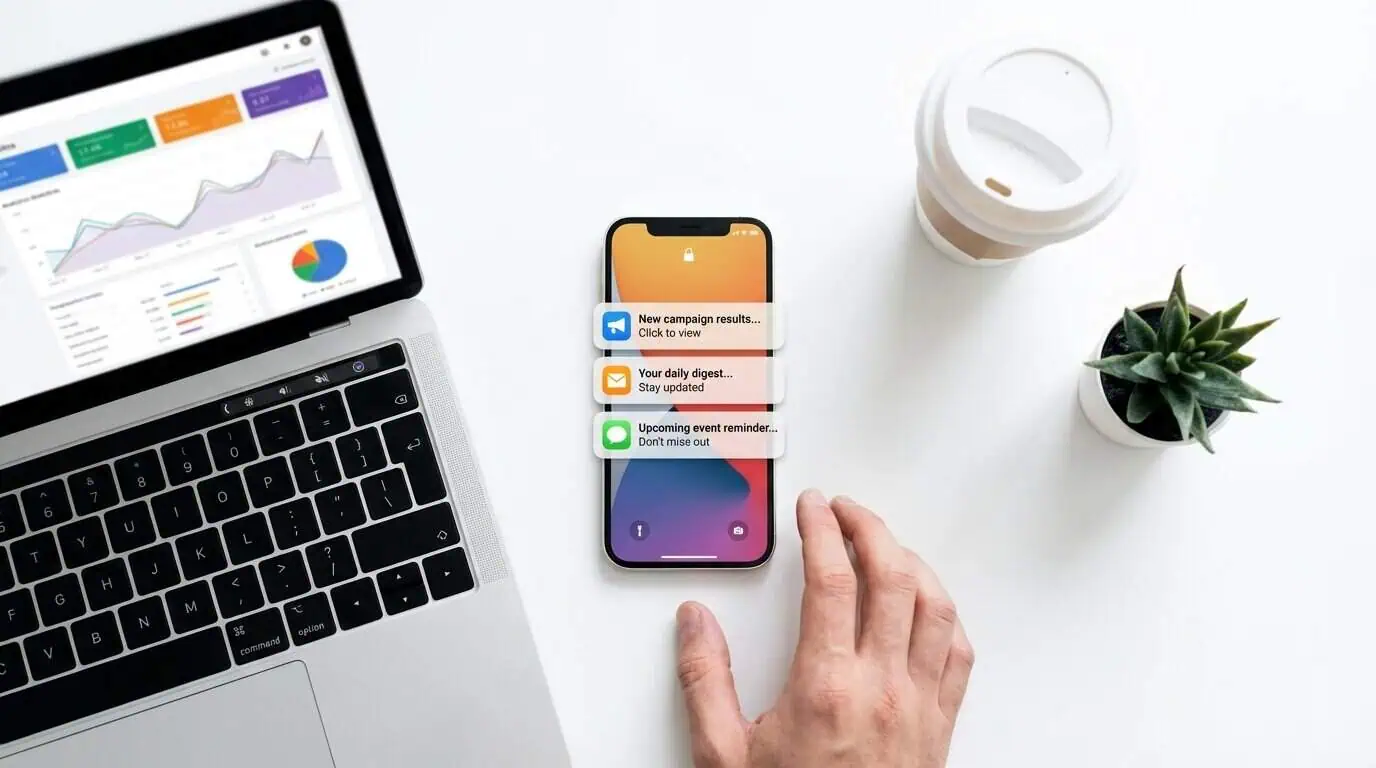
- It allows you to reach your audience directly with a direct push notification that lands on your fans’ lock screen.
- It provides a VIP member pass in Google and Apple Wallets, fully branded for the creator. That rewards fans for not only sharing their pass with their friends (which can be done with one tap), but also for all the actions they take (actions can be visiting your merch store, YouTube, Spotify, survey, in fact anywhere with the PushPass wallet pass platform).
You not only reach your audience, but supercharge its growth.
Making a Difference for Artists
As the CEO of FanCircles, I’m proud to say we’re making a difference – artist by artist, creator by creator, brand by brand. With not only SuperFan apps but also VIP fan passes which sit in Google and Apple wallets and push notifications with no app required that work for every size of artist and creator.
This is how it should be done.
Kevin Brown
CEO, FanCircles
A 15-minute call. Your brand on your lock screen before it ends.