
SMS marketing was effective for a long time, and sometimes it still works, but it’s not as easy as before. Privacy laws are stricter, phone carriers are blocking more marketing texts, iOS 26 now has spam folders, fewer messages are delivered, and costs are rising. This is not the case for push notifications sent through wallet passes.
Brands are moving to sending push notifications (without an app) because they offer the same instant access to customers, but without the high costs and new restrictions that come with SMS marketing.
What Happened to SMS Marketing
For years, SMS was simple: you sent a message, it arrived, and people read it. But things are changing.
Why?
Why?
Privacy laws have become stricter. With GDPR, TCPA, and other regional rules, it’s now more complicated to know who you can message and when.
Phone carriers are getting tougher. They don’t want users flooded with marketing texts, so your messages might get blocked or delayed without notice. You send a message, but your customers may never see it.
iOS 26 now has spam folders. Your message could end up in a junk folder with real spam, and most people never look there.
Fewer messages are getting through. Delivery rates used to be over 95%, but now they’re down to 70-80% for marketing texts. That means you’re paying for messages that never arrive.
There’s a 160-character limit. If you want to say more, you have to pay for extra messages. Add a link, and you lose half your space.
The need to reach customers remains, but the best way to do so has changed.
Mobile Push Notifications Without an App
Many brands don’t know you can send push notifications without having to build an app.
Think about Apple Wallet or Google Wallet, where you keep your credit cards, boarding passes, event tickets, and loyalty cards. Those cards can send push notifications, and we’ve found a way to make that possible for brands.
Your customer adds your branded card to their wallet with just one tap, and it stays there alongside their credit cards and tickets. When you want to tell them about a new product, a flash sale, or an event update, you send a push notification that appears instantly on their lock screen.
Think about Apple Wallet or Google Wallet, where you keep your credit cards, boarding passes, event tickets, and loyalty cards. Those cards can send push notifications, and we’ve found a way to make that possible for brands.
Your customer adds your branded card to their wallet with just one tap, and it stays there alongside their credit cards and tickets. When you want to tell them about a new product, a flash sale, or an event update, you send a push notification that appears instantly on their lock screen.
There’s no need for customers to install an app or download something they might ignore. It’s like a loyalty card that can send push notifications.
When you send a push notification via a wallet pass, it appears on your customer’s lock screen, right next to their banking and delivery notifications. It’s delivered instantly, with no carrier blocks or spam filters.
How They Compare
Here’s the reality:
| Feature | SMS Marketing | Push Notifications |
|---|---|---|
| Delivery Rate | 70-80% | 100% |
| Open Rate | 20-25% | 98% |
| Spam Filtering | Yes (iOS 26) | No |
| Carrier Blocking | Yes, increasing | No |
| Privacy Compliance | Complex | Opt-in by design |
| Character Limit | 160 | 200+ |
| Rich Content | Limited/expensive | Images, links, branding included |
| Setup | Phone number required | One-tap install |
| Data | Shared with carrier | 100% yours |
| Pricing | Per message | Scales like email platforms |
Ready to switch? Explore the PushPass platform features
How It Works
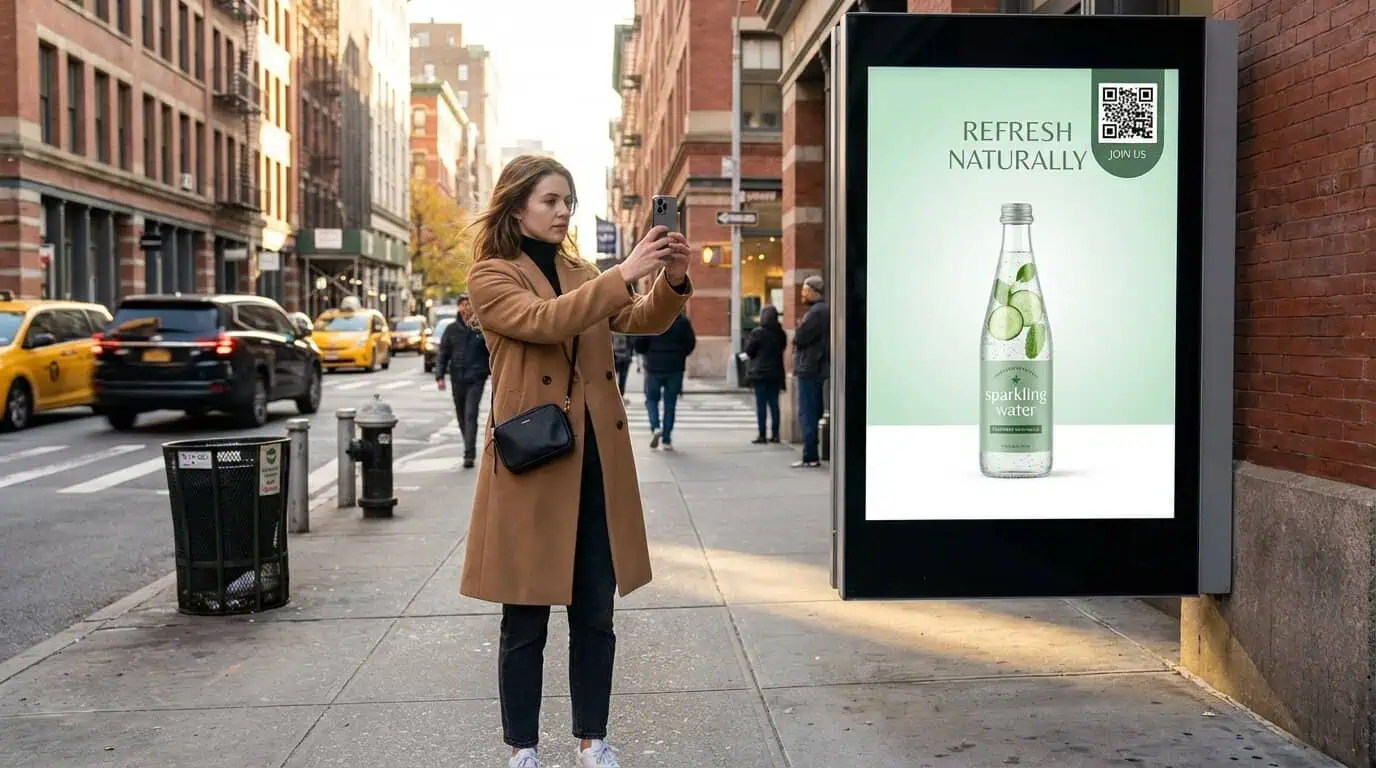
You make a digital loyalty card with your logo and branding – it only takes about five minutes. Then you share it with your customers using a QR code or a simple link, and with one tap, it’s added to their wallet next to their credit cards.
When you want to reach your audience, you send a push notification, and it appears instantly on their phone’s lock screen. You can see in real time who installed the card, who opened your message, and who clicked your links.
Pricing is similar to email platforms, it’s based on your audience size, not the number of messages, so you can send as many notifications as you like. This technology isn’t new; companies like Starbucks, airlines, and big retailers already use wallet cards, and billions of people have them on their phones. What’s new is using these cards to send push notifications.
The direct connection to customers that once needed a full app is now as simple as a card in their wallet.
The direct connection to customers that once needed a full app is now as simple as a card in their wallet.
When SMS Still Makes Sense
SMS isn’t dead, of course, and there are still times when it’s the right call. Transactional messages like shipping updates, order confirmations, and delivery notifications aren’t marketing; they don’t get filtered.
But for ongoing customer communication and marketing, push notifications offer many new benefits. They combine loyalty cards, rewards, and messaging, and you can include links to anywhere you want.
But for ongoing customer communication and marketing, push notifications offer many new benefits. They combine loyalty cards, rewards, and messaging, and you can include links to anywhere you want.
What Brands Are Using This For
Brands use this for product launches, flash sales, and exclusive offers. They send a link or QR code, customers save a branded pass to their wallet, and then brands can send notifications whenever needed. The links can point to their website, product pages, checkout, or anywhere else that makes sense.
Artists and creators use it for tour dates, merchandise drops, and exclusive content. You send fans a notification, and the link takes them straight to Spotify, YouTube, your merch store, ticket agent, or wherever you want. It’s simple, and you reach fans directly without worrying about algorithms or emails going to spam.
Event organizers are using it for lineup changes, venue updates, and last-minute ticket releases. Real-time communication with people who’ve already shown they’re interested, and they actually see the updates because it’s on their lock screen.
Websites use it for cart reminders, restock alerts, and VIP early access.
Agencies are using it to deliver measurable results for clients
Artists and creators use it for tour dates, merchandise drops, and exclusive content. You send fans a notification, and the link takes them straight to Spotify, YouTube, your merch store, ticket agent, or wherever you want. It’s simple, and you reach fans directly without worrying about algorithms or emails going to spam.
Event organizers are using it for lineup changes, venue updates, and last-minute ticket releases. Real-time communication with people who’ve already shown they’re interested, and they actually see the updates because it’s on their lock screen.
Websites use it for cart reminders, restock alerts, and VIP early access.
Agencies are using it to deliver measurable results for clients
Each message is a few lines, it tracks engagement automatically, and you can prove it’s working with real numbers.
Why This Works
The infrastructure’s been proven for over a decade, Apple Wallet launched in 2012, Google Wallet’s been around just as long, and almost every iPhone or Android phone has one pre-installed. People already know how to use them because they add tickets, boarding passes, and loyalty cards all the time, so there’s zero learning curve.
What changed is adding push notifications, because that direct communication channel that used to be only available via a custom app is now just a loyalty card people add with one tap.
The numbers tell you everything: 100% delivery vs 70-80%; 98% open rates vs 20-25%; no carrier dependency.
Setup is straightforward. You design your branded wallet pass, share the install link via QR codes, emails, and your website, and start sending notifications, measuring results, and rewarding customers for their actions. Think of this as short-form messaging.
Setup is straightforward. You design your branded wallet pass, share the install link through QR codes, emails, your website, and start sending notifications as well as measuring results and rewarding customers for their actions. Think of this as short-form messaging, and email as long-form.
Choosing Between SMS Marketing and Push Notifications
Here’s what makes this different from every other wallet pass notification platform out there: it’s not just notifications, it’s loyalty rewards combined with wallet passes and push notifications all in one thing, and that combination is what makes it so powerful compared to most wallet passes on the market.
Your customers are getting a brand VIP loyalty pass that sits in their Apple or Google wallet next to their credit cards other loyalty cards. The pass tracks their loyalty, engagement, and signup location, and you can build rewards around those actions. When you want to reach your audience, you send a push notification straight to their lock screen. It can be a simple message or a link that can go anywhere.
Most platforms make you choose between loyalty programs, notification systems, or wallet passes, but PushPass does all three at once. You’re building loyalty while you’re communicating, and you’re doing it through something that’s already on their phone and already trusted. No app development, no app store approval, no asking people to download something new, just a digital wallet pass (or card) they add in one tap, and you’re connected to their lock screen. This is part of a larger shift toward Push Notification Marketing, which prioritizes direct-to-consumer relationships without apps.
Most platforms make you choose between loyalty programs, notification systems, or wallet passes, but PushPass does all three at once. You’re building loyalty while you’re communicating, and you’re doing it through something that’s already on their phone and already trusted. No app development, no app store approval, no asking people to download something new, just a digital wallet pass (or card) they add in one tap, and you’re connected to their lock screen. This is part of a larger shift toward Push Notification Marketing, which prioritizes direct-to-consumer relationships without apps.
The data is yours, the relationship is yours, and you control when and how you reach them. That’s what makes it work.
The last thing that is important is also the pricing. Using push notifications has very similar pricing to email marketing. It scales with you as you grow, and the PushPass Wallet Pass Platform is designed to do the same.
Don’t let your messages get lost in junk folders or blocked by carriers. Take control of your audience relationship with a direct connection that actually gets read
A 15-minute call. Your brand on your lock screen before it ends.