
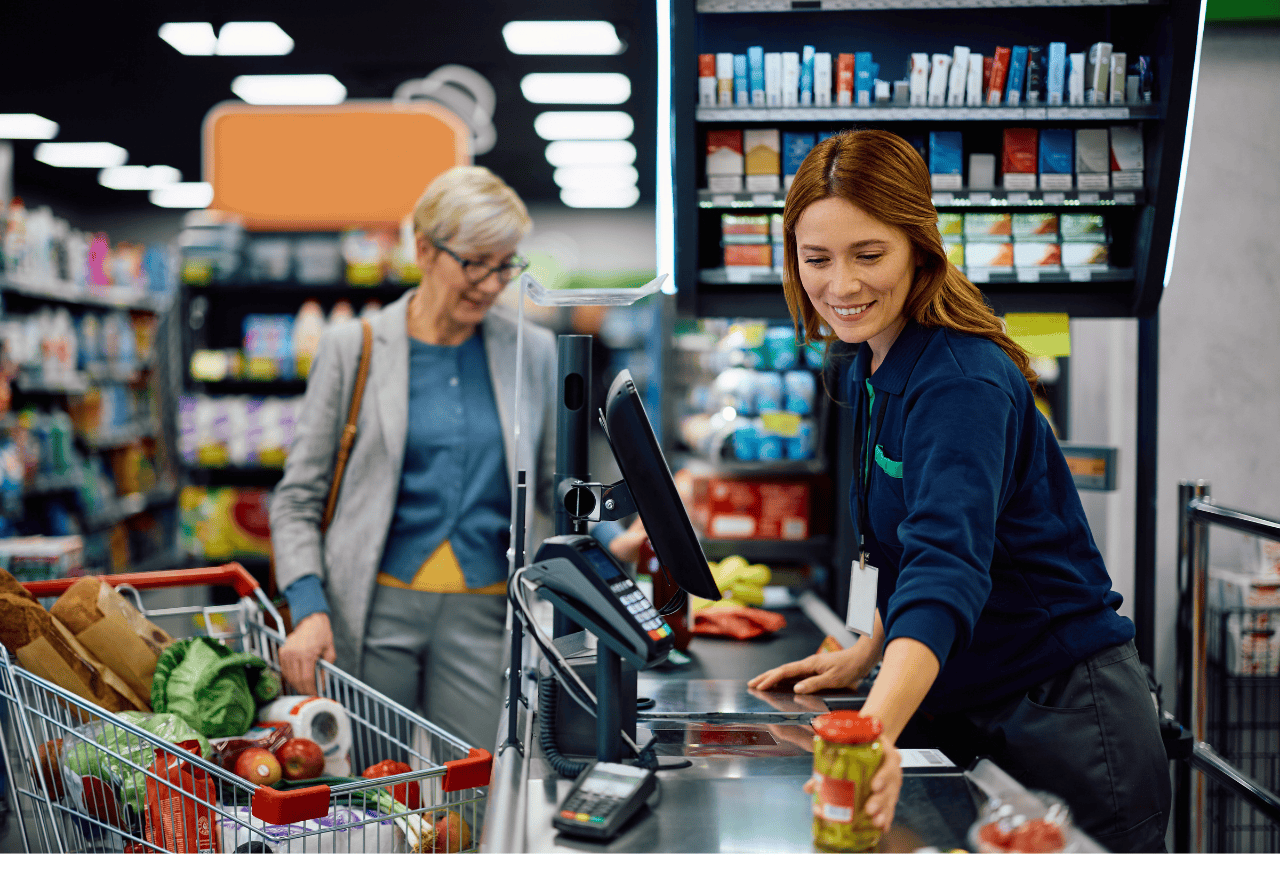
Why Most Digital Loyalty Programs Fail at the Point of Signup
Most digital loyalty programs fail at the point of signup, not because customers lack interest, but because onboarding creates friction at checkout. This guide explains why separating access from registration using wallet-based loyalty passes dramatically increases adoption for brands and retailers. It shows how progressive onboarding and loyalty infrastructure outperform traditional data capture at the till.
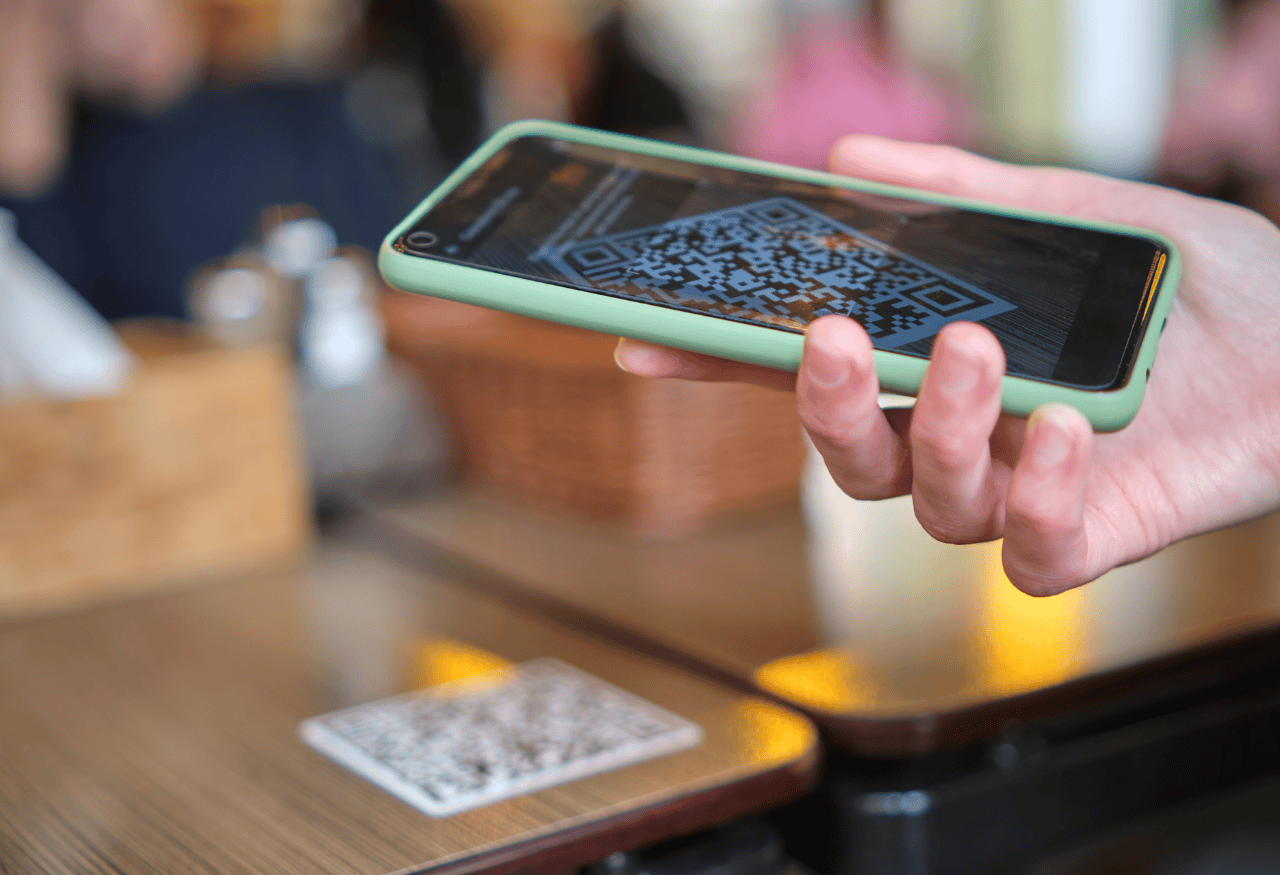
How to Create a Digital Loyalty Card Without Building an App
How to create a digital loyalty card without building an app is simpler than it sounds. You design the card once and share it as a link or QR code. Customers add it to Apple Wallet or Google Wallet in one tap, with nothing to fill in.
Why Engagement Signals Matter More Than Immediate Sales in Influencer Campaigns
Engagement signals like scans, adds, clicks and responses show intent long before a sale. They predict long-term value more accurately than immediate sales do. Modern influencer campaigns measure engagement, not just transactions.
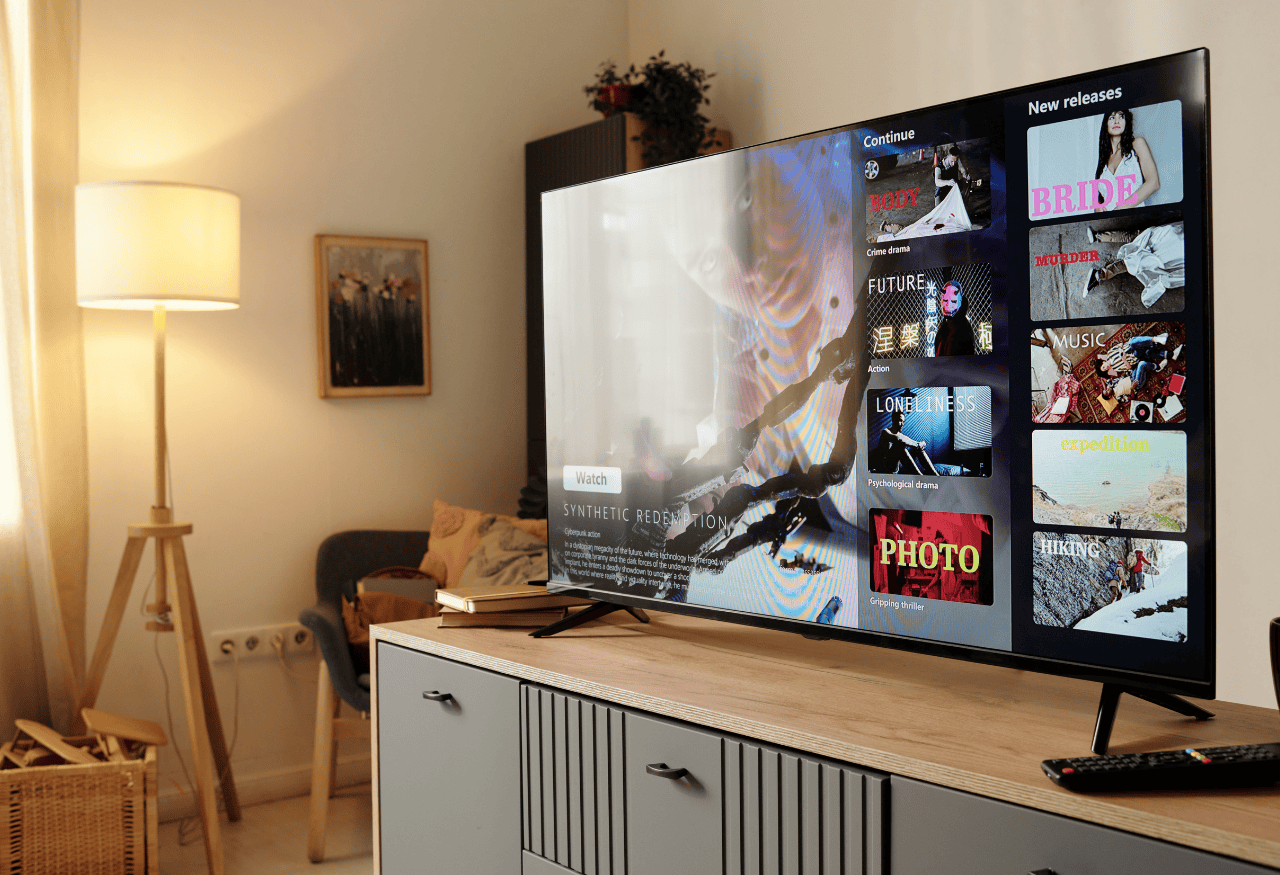
Why QR Codes Work Best as Audience Infrastructure, Not Sales Tools
QR code marketing works best when the scan captures an audience, not a quick sale. Used as a sales shortcut, a QR code often underperforms and is hard to attribute. Used to add a pass to the wallet, it turns influencer exposure into lasting, measurable value.

Why Influencer Campaigns Fail After the Campaign Ends
Why influencer campaigns fail is rarely about the creator or the content. Most lose their value when the posts stop, because the audience they reached was never captured. Owned audience, engagement tracking and modern loyalty turn a one-off campaign into something that keeps growing.

Why Influencer Campaigns Need Infrastructure, Not Just Reach
Most influencer campaigns succeed at reach but struggle to turn attention into lasting value. This article explains why infrastructure matters, how owned audience changes campaign economics, and why engagement signals and QR codes are critical to building compounding outcomes for brands, agencies, and creators.
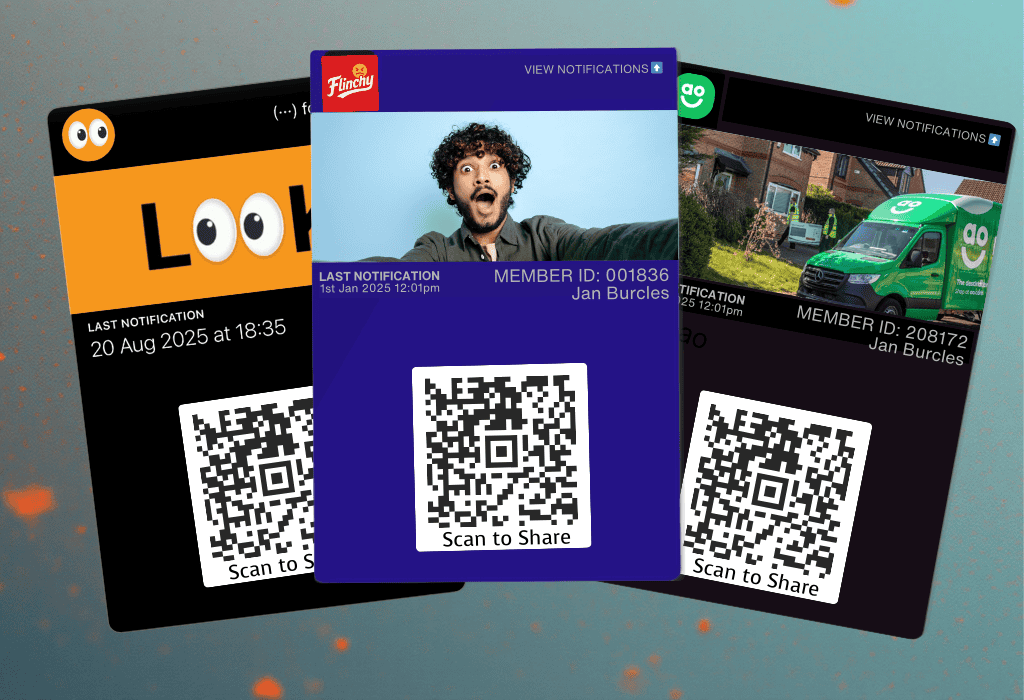
What Is a Wallet Pass Platform and How It Works
What is a wallet pass? It’s a digital pass that lives in Apple Wallet or Google Wallet on your customer’s phone. A wallet pass platform lets brands and creators design these passes, share them by link or QR code and send notifications to the lock screen.
How Modern Loyalty Programs Turn Actions Into Measurable Rewards
Modern loyalty programs no longer rely solely on transactions to measure commitment. By combining wallet passes, notifications, and action tracking, brands and creators can reward real engagement as it happens. This shift turns loyalty from a static balance into an ongoing relationship.
Why Engagement Actions Are Stronger Loyalty Signals Than Purchases
Engagement actions like joining, scanning and responding to notifications show loyalty earlier than purchases do. Spending confirms loyalty, but engagement reveals it first. Digital loyalty cards with notifications make those actions easy to measure and reward.
How Loyalty Points and Rewards Actually Work
Loyalty points and rewards only work when they reinforce long term behavior, not just short term spending. We break down how effective loyalty systems use progression, visibility, and engagement to create stickiness that survives beyond individual transactions.
Why Spending Should Not Be the Only Loyalty Signal
Loyalty signals go far beyond spending. Joining, coming back, scanning and staying connected all show loyalty, often long before a purchase. Modern loyalty programs reward those actions too, so the relationship lasts.
Rewarding Engagement Without Forcing Purchases in Influencer Campaigns
Rewarding engagement, not just purchases, lets influencer campaigns capture value before a viewer is ready to buy. That matters more as YouTube viewing moves to TV, where clicks are rare. Brands and agencies get stronger relationships, better measurement and results that last.
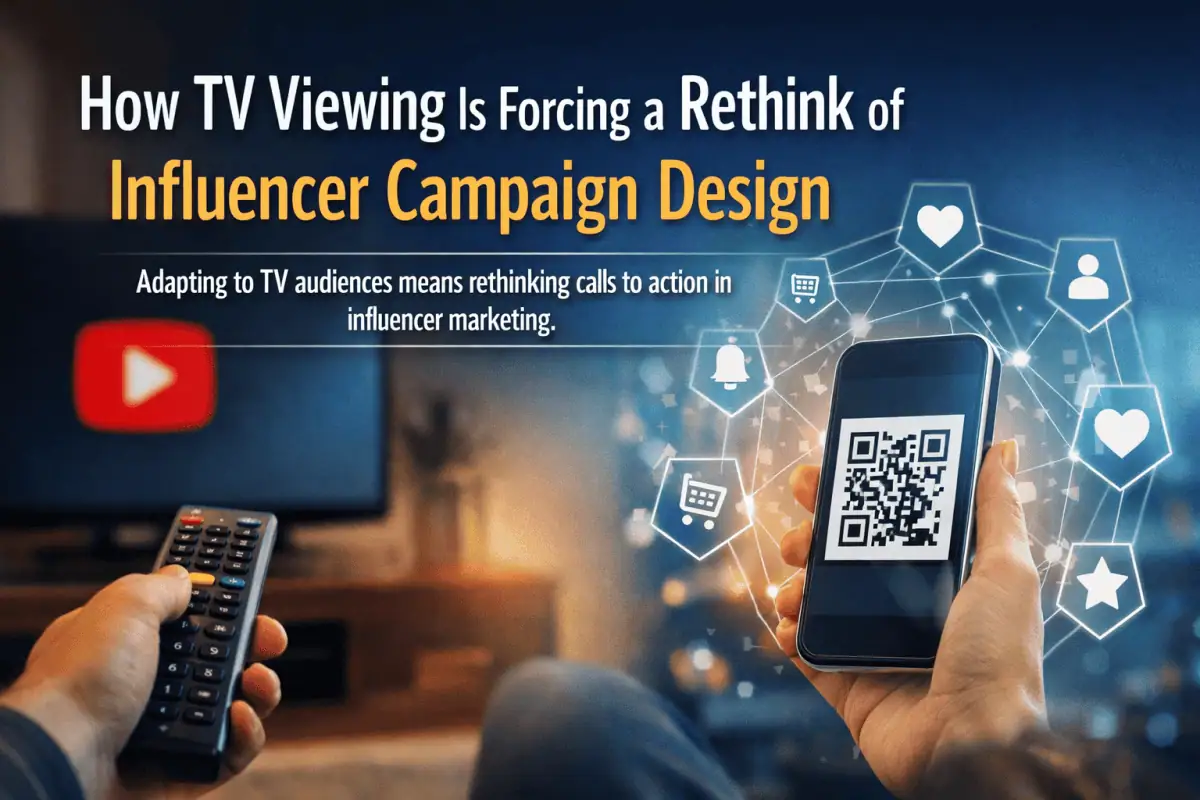
How TV Viewing Is Forcing a Rethink of Influencer Campaign Design
Influencer campaign design has been built around clicks, but TV viewing removes that interaction entirely. As YouTube increasingly behaves like a television channel, agencies and brands must rethink how audiences can act in the moment. This article explains why QR codes become essential on TV and how campaign design needs to adapt to match viewer behavior.
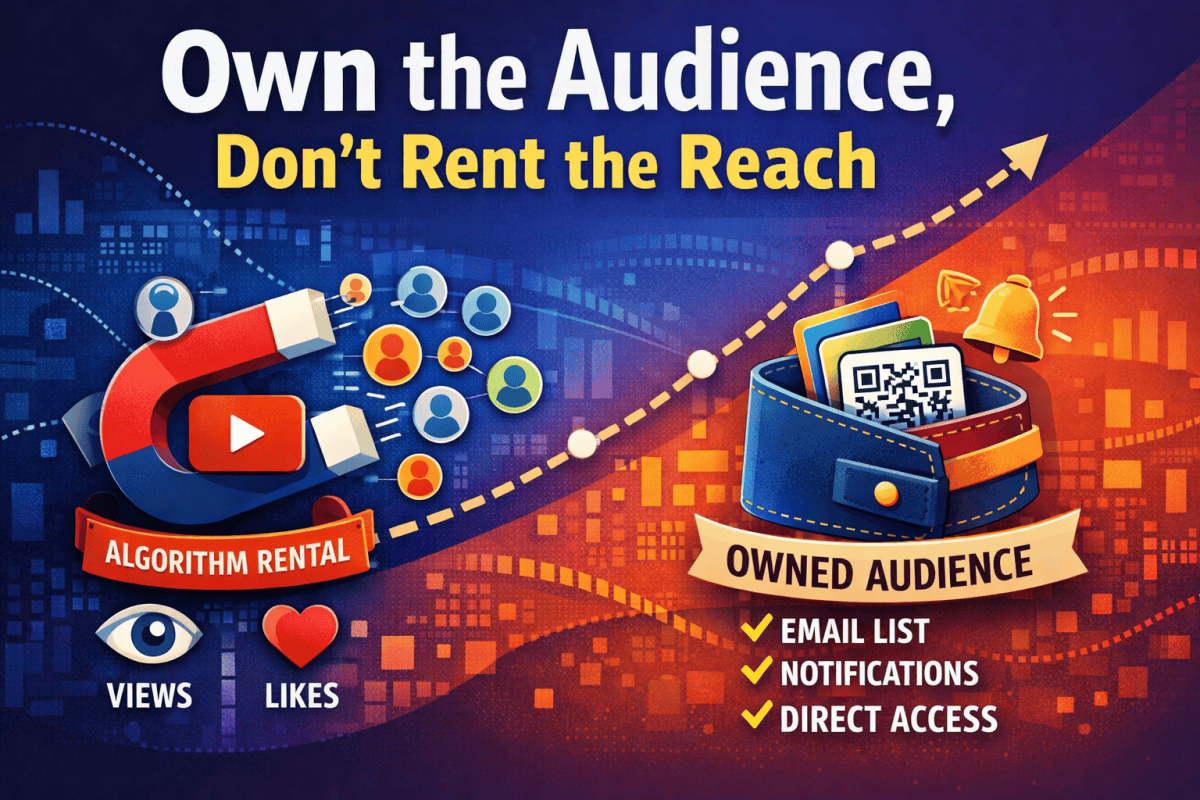
Why Creator Agencies Need Owned Audience, Not Just Views
Owned audience for creator agencies means fans the agency can reach again directly, long after the views fade. As more viewing moves to TV, clicks get harder to measure and views alone prove less to brands. Agencies with an owned audience can show sponsors value that lasts.
How to Fix Underperforming YouTube QR Codes
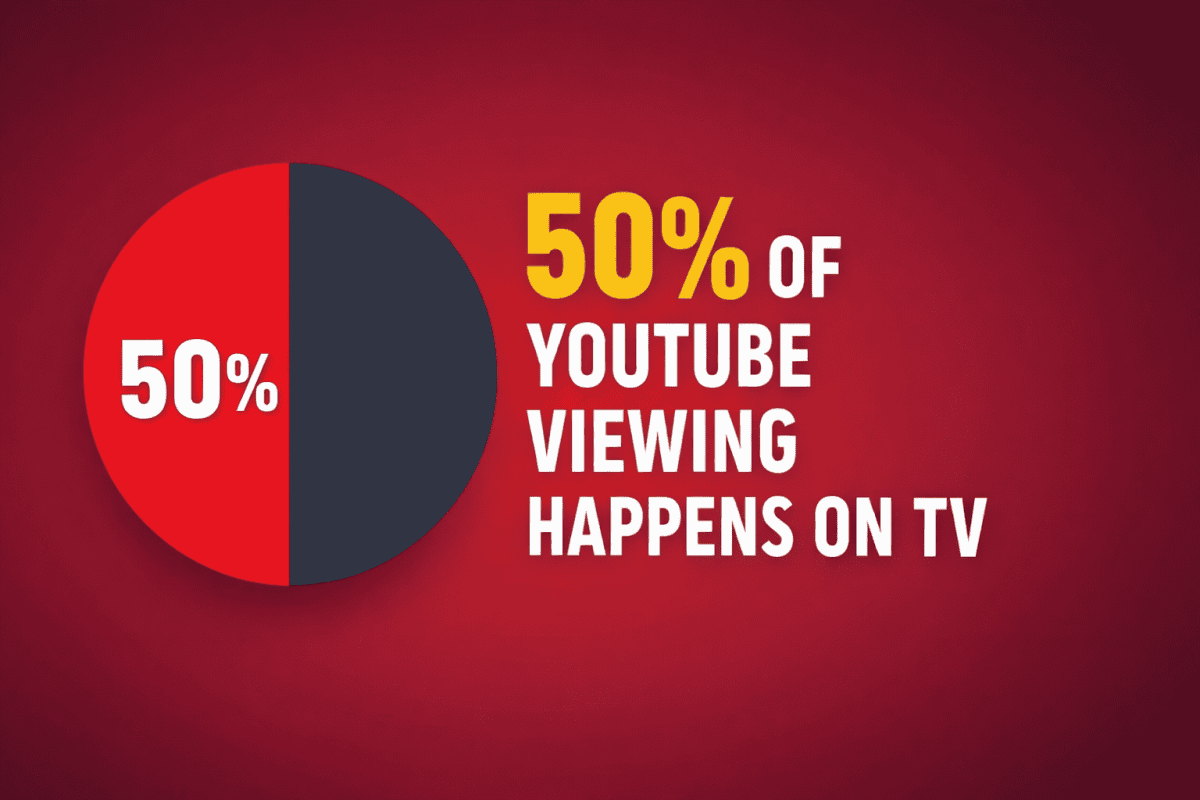
Most YouTube QR codes underperform for a reason that shows up across QR code campaigns more broadly. YouTube just makes the problem harder to ignore, because more than half of YouTube viewing now happens on TVs, where viewers can’t click links or act on traditional calls to action.

The 3 Percent: Why Everyone Has Lost the Plot About Fandom
Platform numbers tell you who watched. Direct-to-fan data tells you who believes. Fandom is built on loyalty, commitment and action, and you only see that when you own the connection yourself. Everything else is just noise.

SMS Marketing vs Push Notifications in 2026: When to Use Each
If you’re using SMS marketing, you’re missing out on a lot. Push notifications sent through wallet passes do more than just deliver messages. They act as loyalty cards, help you track engagement, and let you communicate instantly, all through a branded card in your customer’s wallet. You can reach them right on their lock screen, build loyalty, and see how they interact. SMS, on the other hand, only sends a text.
The Pass Creator For Brands And Creators
A pass creator lets you build digital passes for Apple Wallet and Google Wallet that give you direct access to your audience through push notifications, turning one-time customers into an engaged community. Whether you’re a brand or creator, creating passes with the right tools, means you can send timely notifications, offers, and exclusive content straight to their lock screen.

The Rise of Push Notification Marketing: How Creators Are Taking Back Control
Push notification marketing for creators means reaching fans on their phone’s lock screen, alongside social channels and email. A wallet pass makes it possible with no app to download. Creators send updates when they choose and own that direct line to their fans.
Why Email Isn’t Enough to Keep Your Creator Audience Engaged in 2026
Creator audience engagement takes more than email in 2026. People open fewer emails and expect quick, direct updates on their phone. A wallet pass puts your updates on fans’ lock screens, alongside email, so you keep control of the connection.

The Truth for Influencers: You Don’t Need a Million Followers to Make It
You don’t need a million followers to make it as an influencer. Micro-influencers are thriving by experimenting, treating their work as a business and building a direct line to their fans. Owning that audience matters more than chasing a bigger count.
Music Industry Report 2025 – SuperFans
This Music Industry Report 2025 – SuperFans reveals a critical truth: while superfans represent just 2% of an artist’s listeners, they generate 18% of streams and drive actual revenue through concerts and merchandise. The future belongs to artists who prioritize authentic fan relationships over streaming numbers, a shift from quantity to quality that’s essential for sustainable music careers.
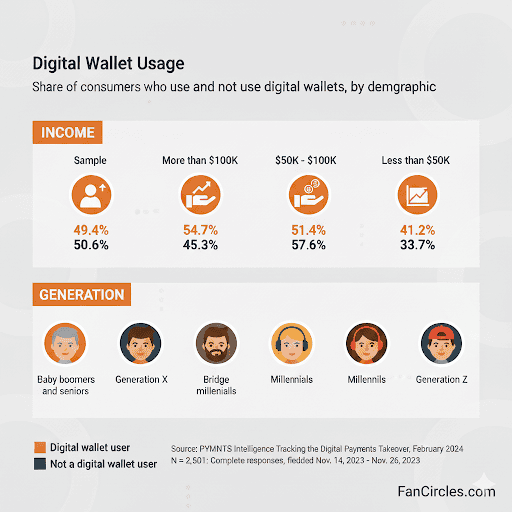
Wallet Pass Trends Behind the Shift to Lock Screen Notifications
Wallet pass trends all point the same way. Brands are adding lock screen notifications alongside email and SMS, because a pass reaches every lock screen that has it and stays in the wallet between messages.
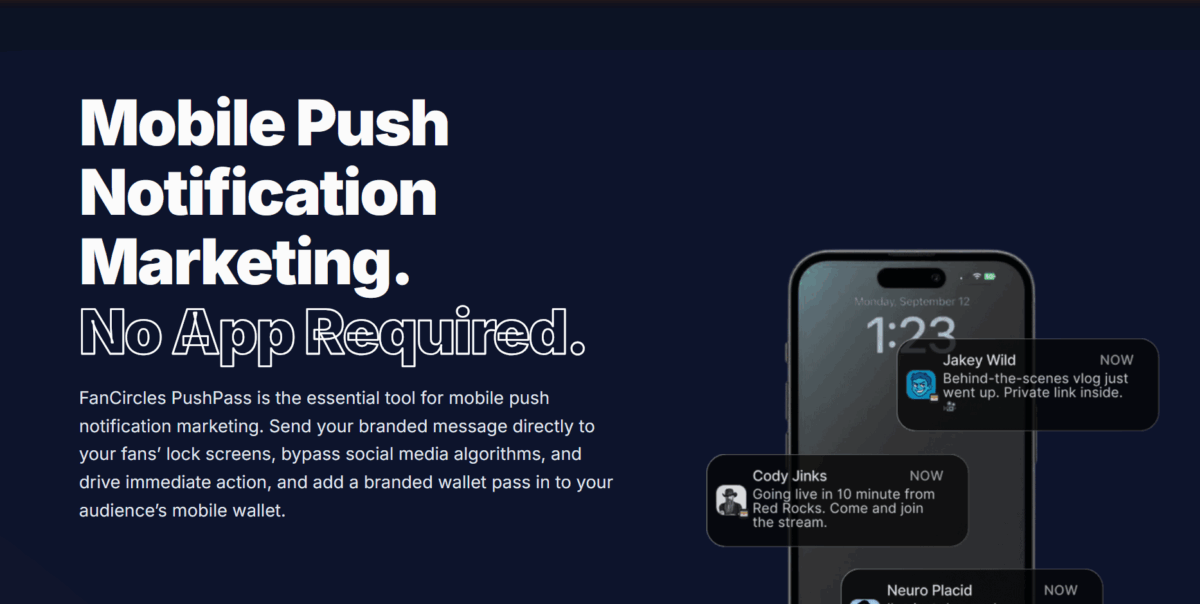
How to Choose the Best Wallet Pass App Solution
A wallet pass app solution is the platform that lets brands, creators, and businesses design and issue wallet passes that customers, fans, or subscribers add to their Apple Wallet or Google Wallet. These passes keep your brand front and center on a customer’s mobile wallet app, and they allow you to send push notifications directly to their lock screen with links to anywhere you choose.