
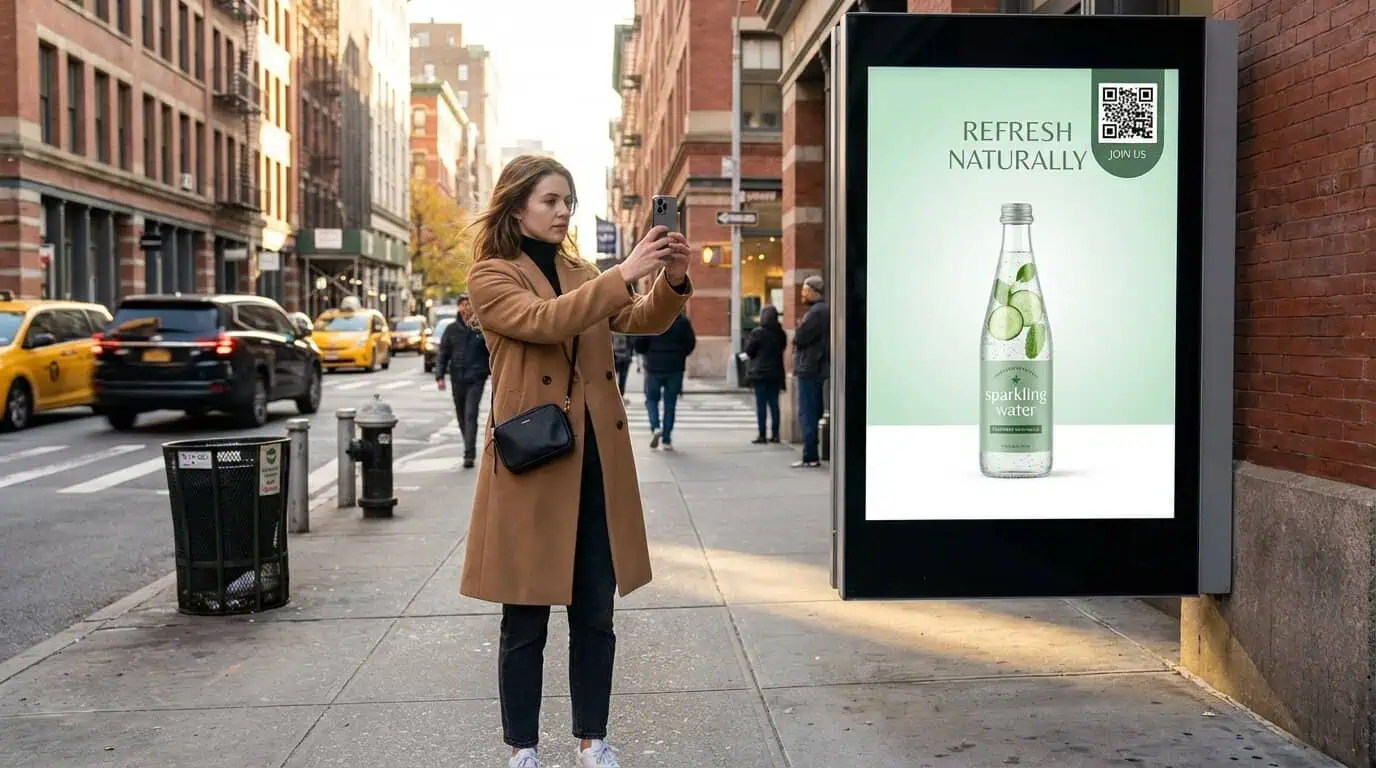
What is Lock Screen Marketing?
Lock screen marketing allows you to reach your customers or viewers through all of your marketing channels in a persistent way, engaging them through notifications sent directly to their phone, with campaign analytics and viral share benefits, all with one tap.
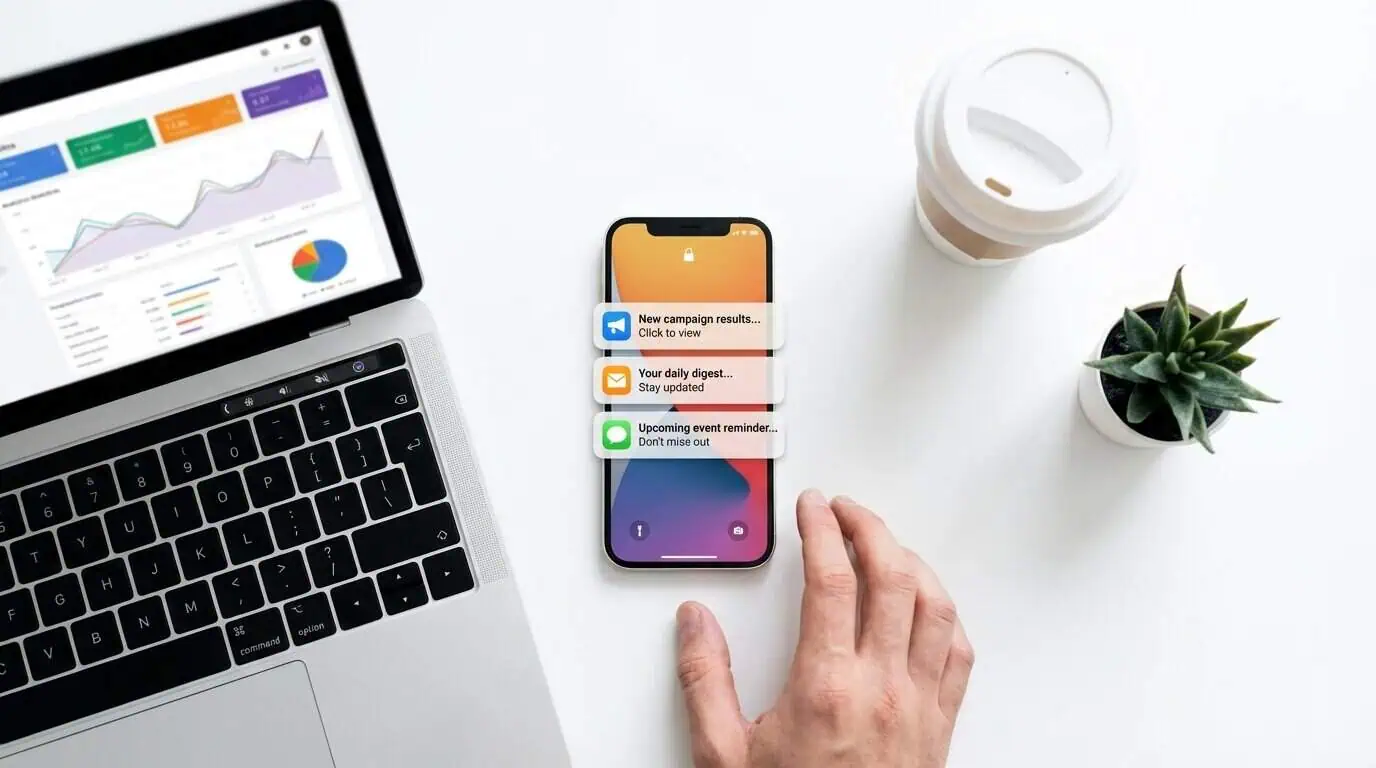
Push Notification Marketing
Push notification marketing puts your message on your audience’s lock screen with no algorithm, no inbox, and no middleman. This guide compares app push, web push, and wallet pass notifications so you can pick the right channel for your business. Learn how brands, creators, and local businesses are using push notifications to build direct audiences they actually own.

Influencer Marketing Reporting
Influencer marketing reporting is where campaigns either justify their existence or lose their budget. The standard report filled with engagement rates and reach numbers might satisfy a marketing team, but it rarely survives a conversation with the client’s finance team. The reports that protect and grow influencer budgets are the ones that connect a creator’s content to revenue in a chain that a non-marketer can follow without needing to trust an estimate.

Influencer Marketing ROI
Influencer marketing ROI is almost always calculated by dividing the revenue generated during the campaign window by the cost of the campaign. That formula systematically undercounts the actual return because it ignores every sale that happens after the campaign ends, every viewer who was interested but not ready to buy in the moment, and every audience member watching on a TV who could not click even if they wanted to. The real ROI of influencer marketing only becomes visible when brands measure what they kept from the campaign, not just what they sold during it.
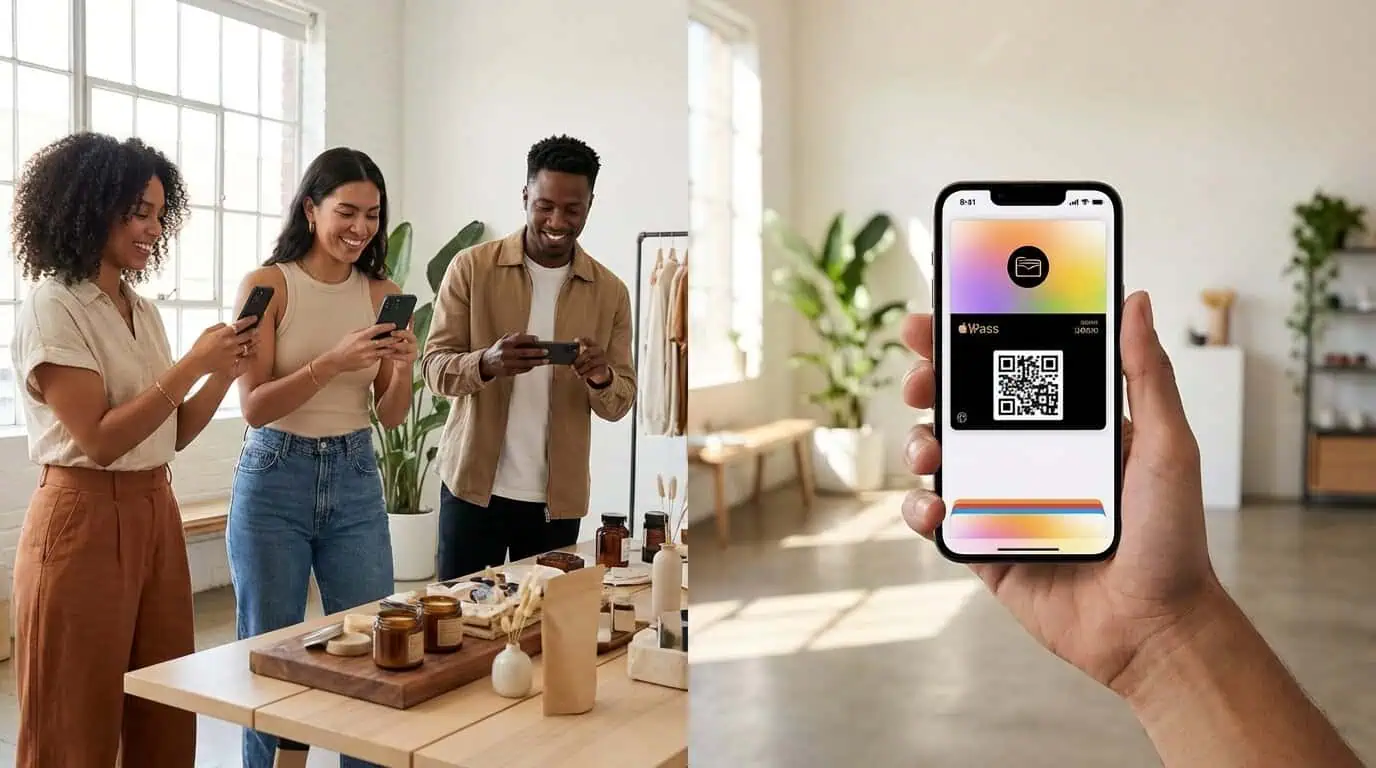
Brand Ambassador Program
Brand ambassador program structures have barely evolved since the early days of influencer marketing, and the cracks are showing. Most programs still revolve around discount codes, referral links, and commission-based incentives that only capture value when the ambassador’s audience buys immediately. The ambassadors who generate the most genuine interest are often the ones whose audiences watch on TVs and large screens where none of those conversion tools work, which means the program systematically undervalues its best performers.

Influencer Marketing Best Practices For Brands
Influencer marketing best practices are missing a significant opportunity as more than half of YouTube viewing now happens on television screens, where clicks, discount codes, and trackable links no longer reach the audience. This guide covers what still works, from creator selection and briefing to campaign duration, and identifies the standard practices that now actively mislead brands about performance. It also introduces the conversion layer and measurement framework that replaces CTR with wallet pass audience capture that works across every device and viewing environment.

Influencer Marketing KPI
Influencer marketing KPI lists tend to focus on engagement rates, reach, and impressions, but these metrics tell brands almost nothing about whether the campaign actually generated revenue. The problem gets worse as more viewers watch content on television screens where clicks do not exist and traditional attribution breaks entirely. The KPIs that predict long-term value are the ones that measure owned audience growth, post-campaign retention, and actions that happen days or weeks after the content was seen.

Influencer Marketing for Small Business
Influencer marketing for small business fails when the only option given to viewers is buy now or lose me forever. Most of the audience who sees a creator’s content is interested but not ready to purchase in that moment, and without a way to capture that interest, the campaign’s value expires when it ends. Wallet passes replace hard CTAs with a one-tap action that builds an owned audience a small business can activate repeatedly, turning influencer spend from a gamble into a compounding channel.

How to Measure Brand Loyalty: The Metrics That Actually Matter
Measuring brand loyalty by counting program sign-ups is like measuring fitness by counting gym memberships. The number tells you nothing about what people actually do. This guide covers the five metrics that predict whether your audience is genuinely loyal, including the between-purchase behaviours most teams do not track at all, and why the channel you use to reach your audience determines how accurately you can measure their response.
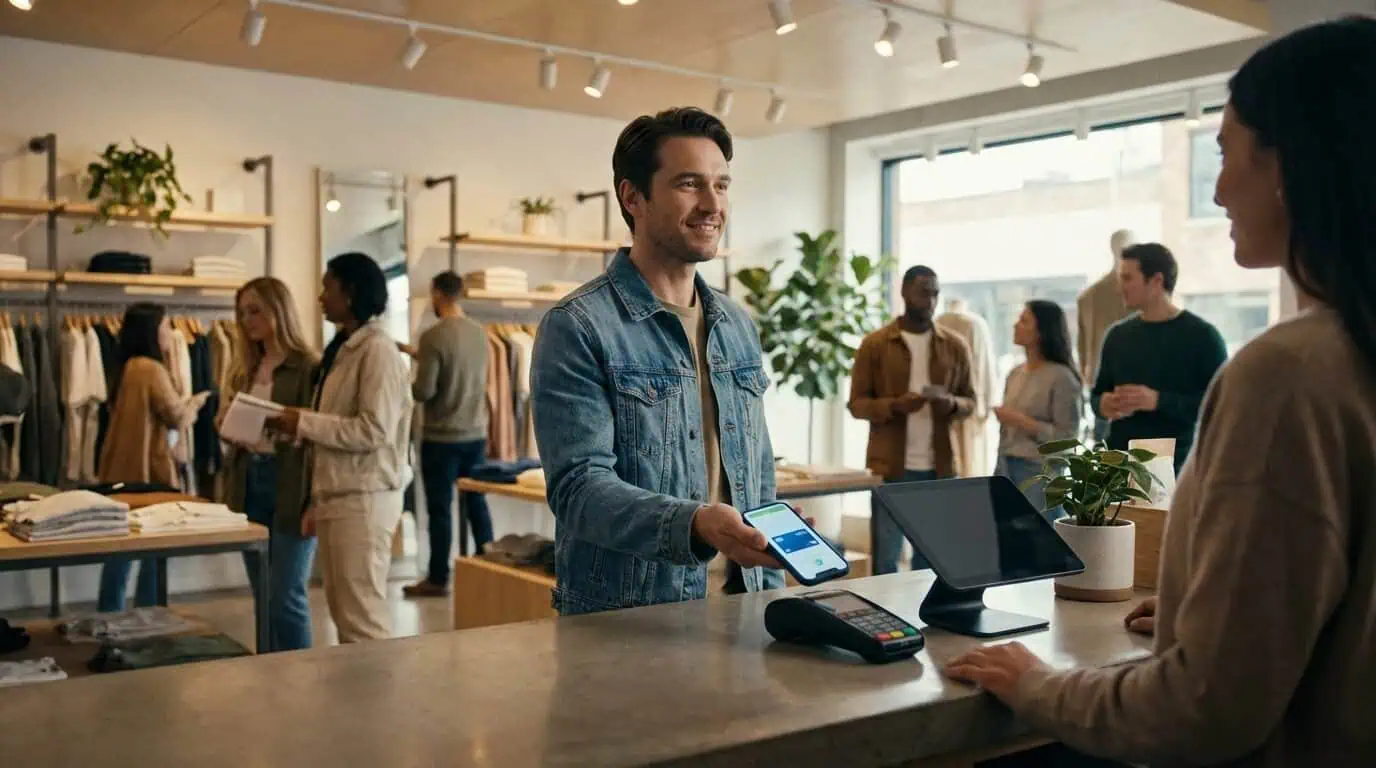
Brand Loyalty Examples: What the Best Brands Do Differently
Brand loyalty examples tend to be lists of famous names doing expensive things most businesses cannot replicate. This is different. These are the observable patterns behind brands whose customers stay, return, recommend, and resist switching, and every one of those patterns comes down to the same structural decision about how the brand relates to its audience.
How Emotional Connection Builds Brand Loyalty That Lasts
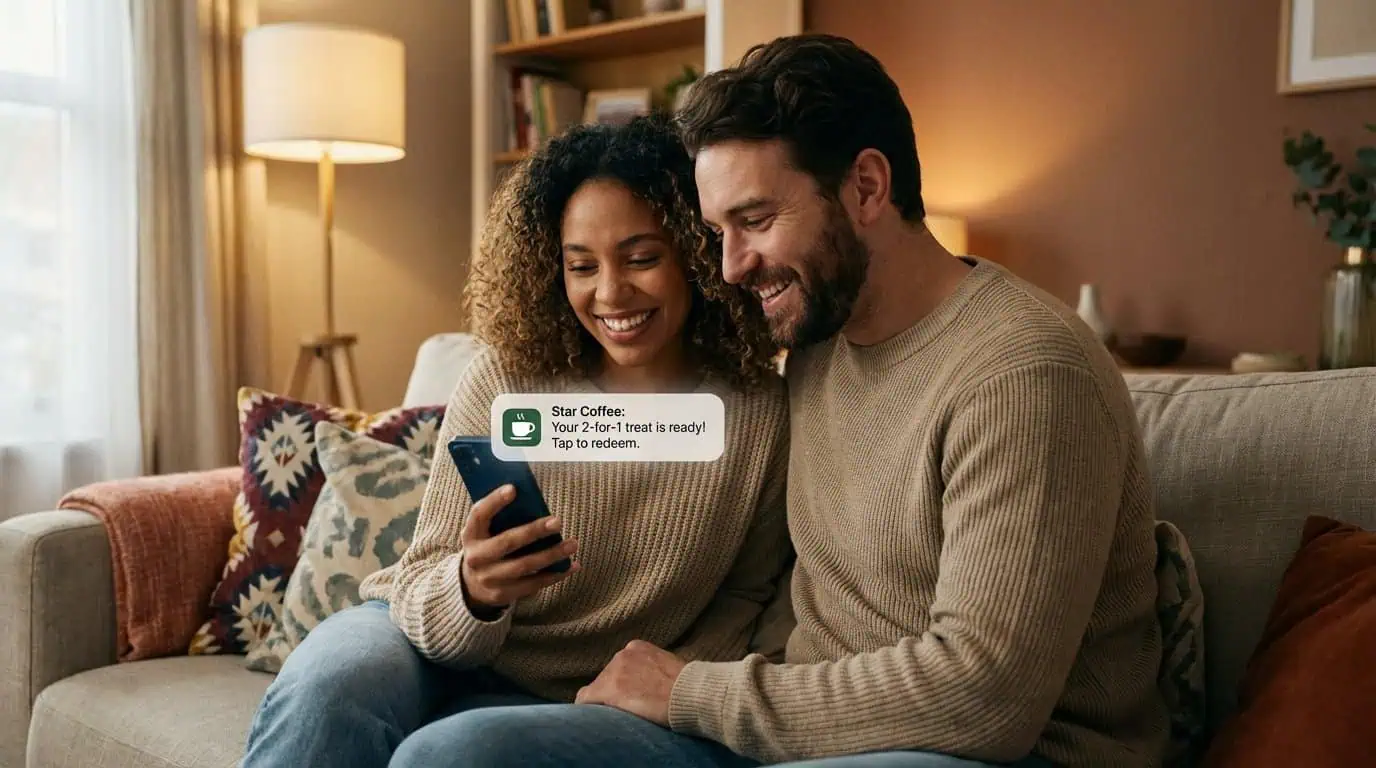
Loyalty programs do not create loyal customers. They create customers who are loyal to the points. Genuine brand loyalty is built on emotional connection, the kind that comes from being present in your customer’s life between transactions, not just when you want their money, and the brands that understand this are building audiences that no competitor can poach with a better offer.
Brand Loyalty Strategies: How to Build an Audience That Stays
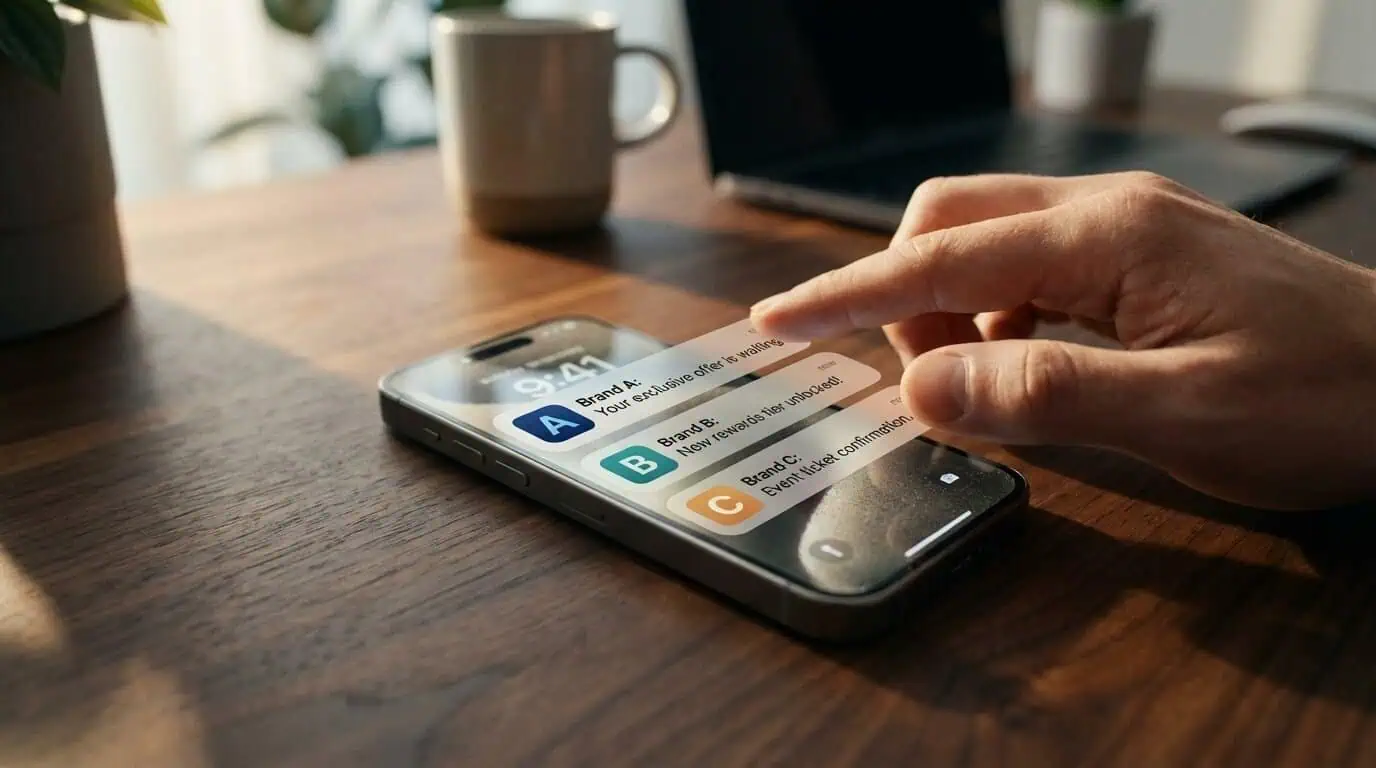
Seven brand loyalty strategies that build audiences you own, not rent, including why being present on your customer’s phone between purchases matters more than any points program, and how the smartest brands are turning their existing audience into their fastest growth channel.
Why QR Codes Underperform on YouTube and TV and How to Improve Them
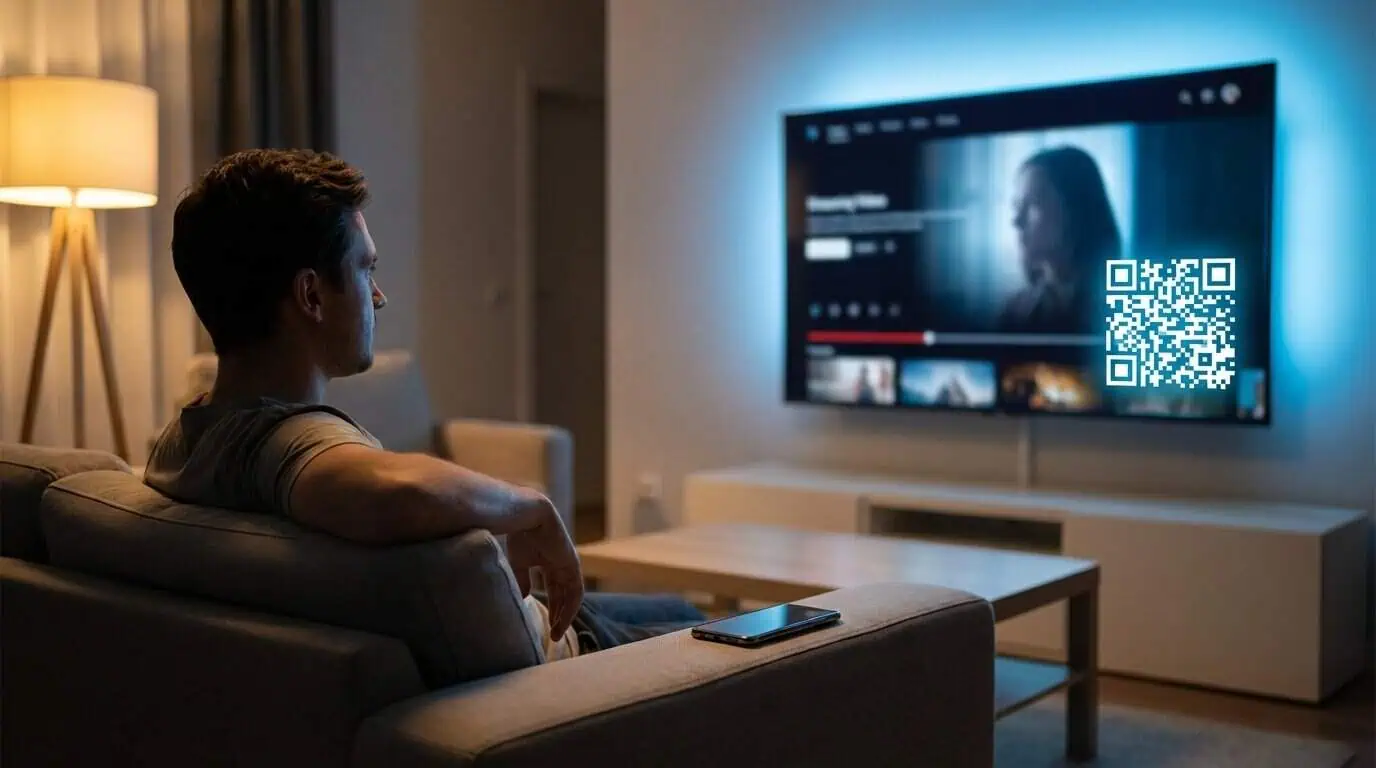
QR codes underperform on YouTube and TV not because of size, placement, or screen time, but because the action behind the scan assumes the viewer is ready to buy in a moment where they are relaxed and watching, not shopping. More than half of YouTube viewing now happens on television screens where purchase-intent QR codes consistently produce scan rates of 2 to 3 percent, even when the creative is well executed and the audience is genuinely interested. Replacing the purchase destination with a wallet pass entry point changes the dynamic entirely, lifting scan rates to 10 to 15 percent by matching the action to the viewing moment.
Why App-Based Push Notifications Only Make Sense for the Biggest Brands, Not Creators
App-based push notifications work extremely well for the biggest brands because the app itself already earns its place on the phone. For creators and most brands, that same model breaks down. The cost, friction, and ongoing effort of an app rarely match the simple need to stay connected.
QR Code Advertising
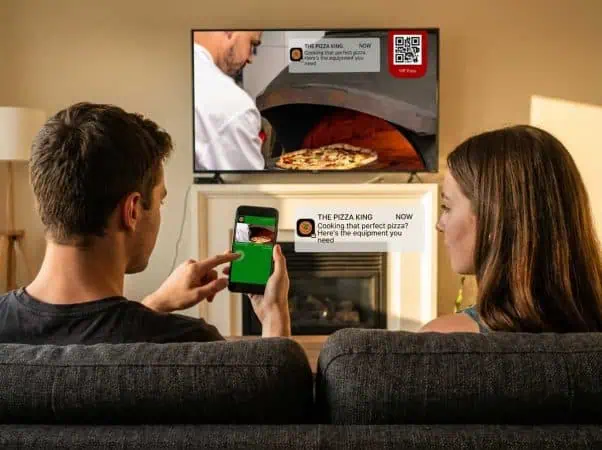
QR code advertising has become the default way to make television and video viewers take action, but most campaigns are using QR codes in a way that guarantees they underperform. The issue is not the QR code itself, the placement, or the size on screen. It is that the action behind the scan assumes the viewer is ready to buy, and on a TV they almost never are. When the QR code leads to a wallet pass instead of a purchase page, scan rates jump from low single digits to 10 to 15 percent, and the brand captures an audience it can convert on its own timeline.

The Missing Conversion Layer in TV and Creator-Led Campaigns
The Missing Conversion Layer in TV and Creator-Led Campaigns explains why attribution breaks down when brands treat TV viewers like website users. As TV becomes a performance channel, purchase-intent CTAs and one-off interactions fail to capture intent, leaving demand uncredited and hard to measure.
Connected TV Attribution: The Problem Brands Are Underestimating
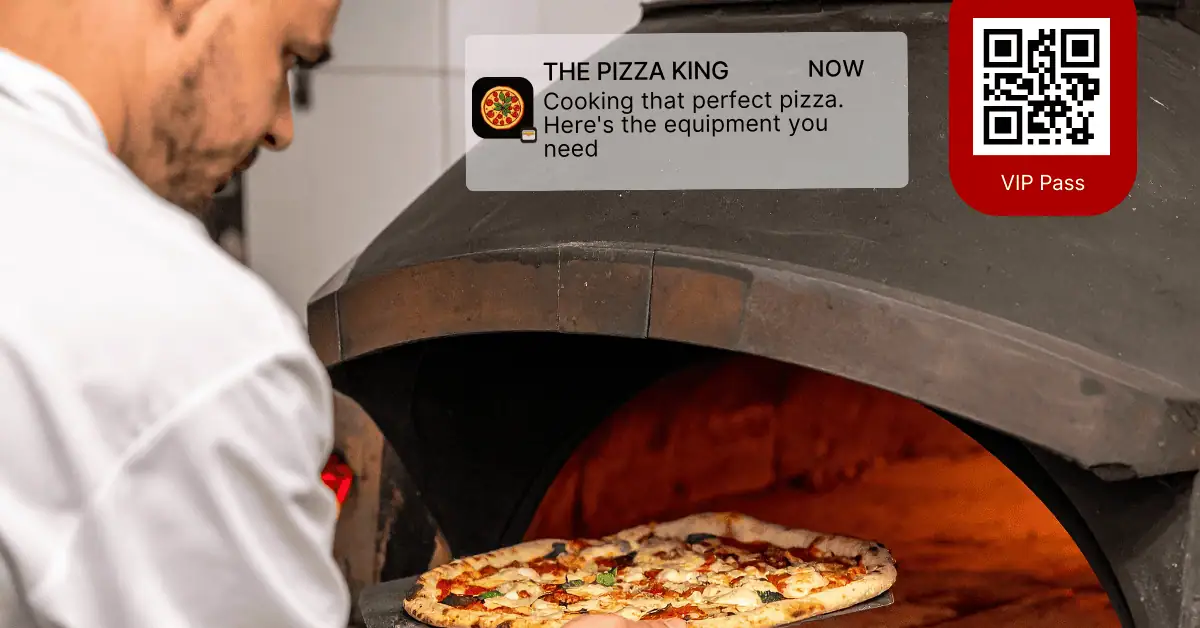
Connected TV attribution breaks down because the conversion layer has not evolved with how TV is actually watched. As more ad spend shifts into lean-back environments where clicks do not exist and QR codes demand too much intent, brands are left with exposure but no reliable signal of action.
Why Influencer Attribution Breaks on YouTube TV
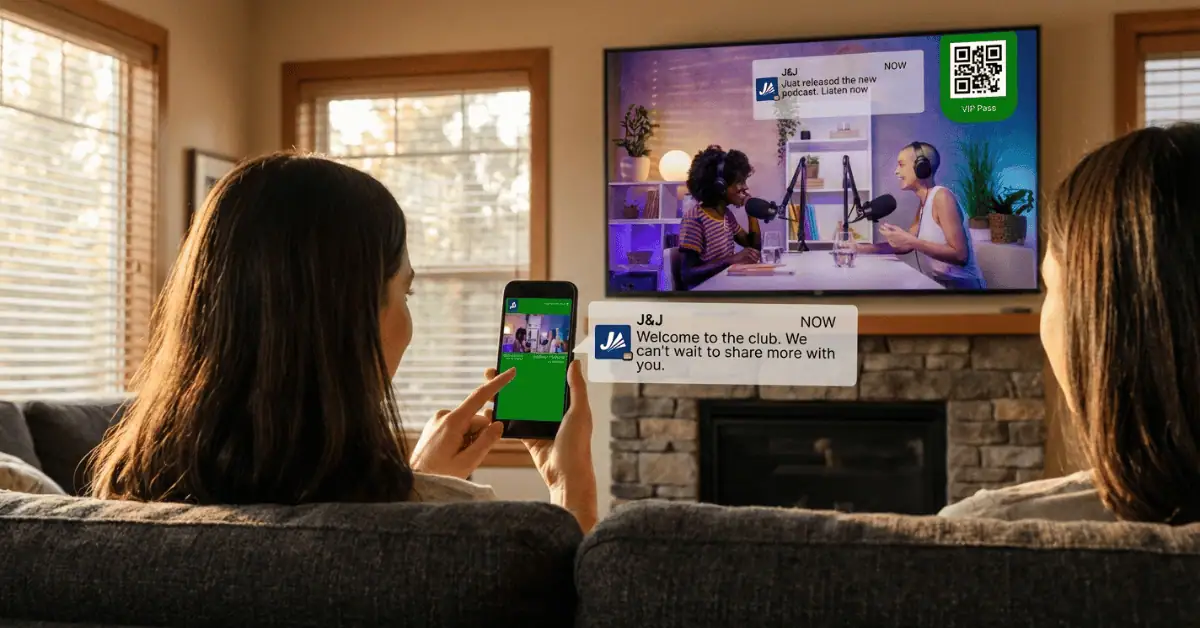
YouTube attribution solutions for brands are becoming essential as more viewers watch YouTube on TV, where clicks and hard calls to action simply don’t fit the viewing context. This article explains why influencer attribution breaks down on YouTube TV and why capturing a softer, TV-safe signal of intent is critical for accurate measurement.
Mobile Wallet Engagement
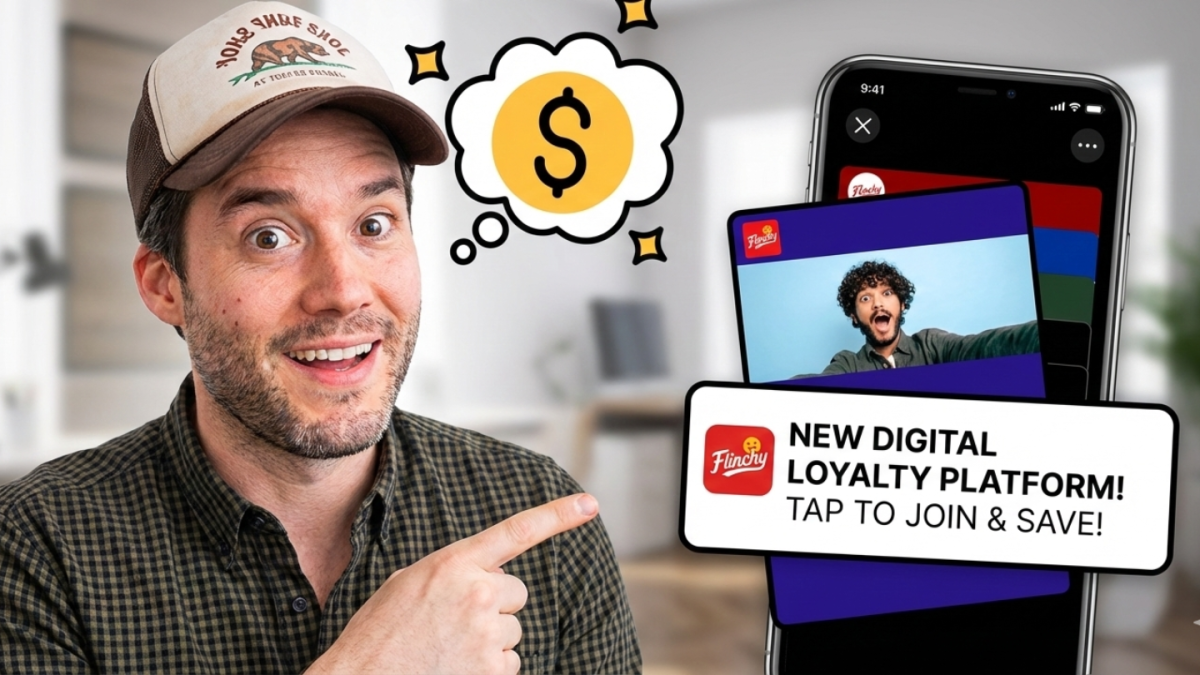
Mobile wallet engagement is the ultimate psychological shortcut for brands tired of the “app-delete” reflex, because it puts your loyalty and membership cards exactly where people already spend their time. FanCircles provides one unified platform to automate these native passes, bypassing the algorithm lottery by landing your updates directly on the customer’s lock screen. By removing the high-cost signal of a traditional app download, you create a frictionless path to membership that turns a simple digital card into a high-status badge of belonging.

Best Fan Loyalty Tool
When people search for the best fan loyalty tool, they are usually looking for something that goes beyond points and purchases. FanCircles is a digital loyalty card platform that rewards real engagement, using timely notifications, prompts, and action based rewards. It gives marketing teams a practical loyalty tool for turning attention and participation into long term value while reducing friction.
Wallet Pass Platforms to Help Your Brand Grow
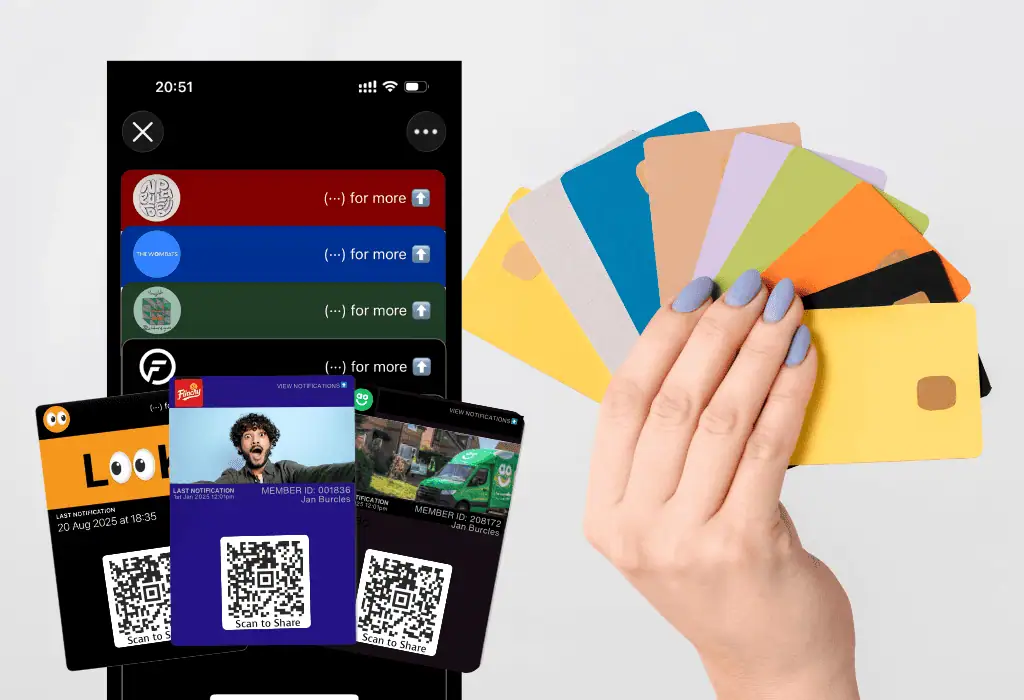
Wallet pass platforms take the idea of a loyalty card and turn it into something people actually interact with, using lock screen notifications, simple QR code joining, and rewards based on actions not just purchases. The best platforms measure who is paying attention, what actions lead to sales, and how your audience share and promote the brand virally. Learn how tools build stronger loyalty, clearer results, and growth that feels personal.
How To Reach QR Code Scan Rates of 10% to 15%
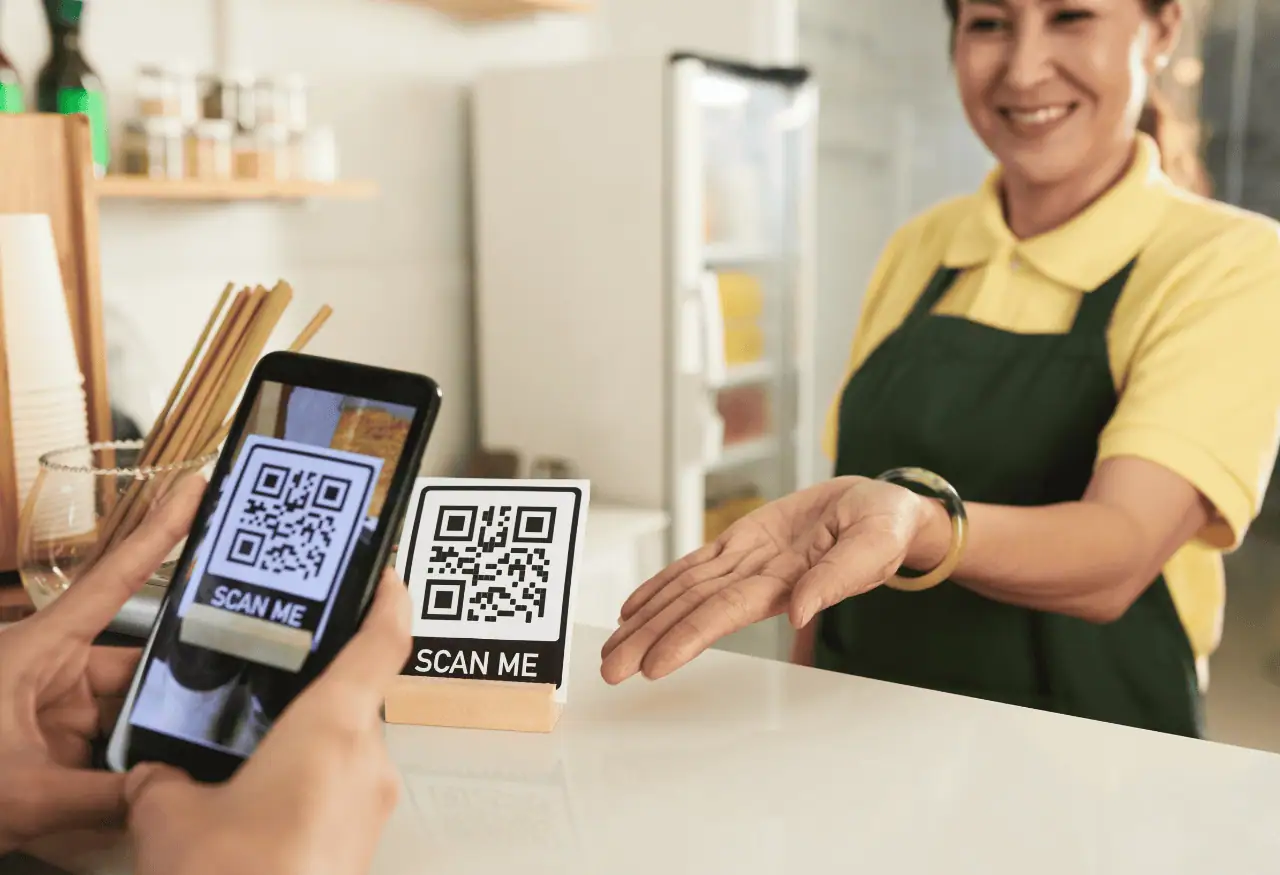
Most QR scan rates underperform not because of design or placement, but because they ask for too much too soon. Scan-through rates improve when the call to action is softened, the scan is treated as a simple action rather than a decision, and the brand earns the right to communicate later instead of forcing conversion upfront.

Choosing a Digital Loyalty Card Platform for Brands and Creators
Choosing a platform for digital loyalty cards is important because it makes joining a brand’s community as easy as scanning a QR code instead of downloading a big app. These cards don’t just track what people buy; they also send helpful alerts to a phone and give fans rewards for being active and involved.
How Digital Loyalty Cards Became a Channel for Engagement
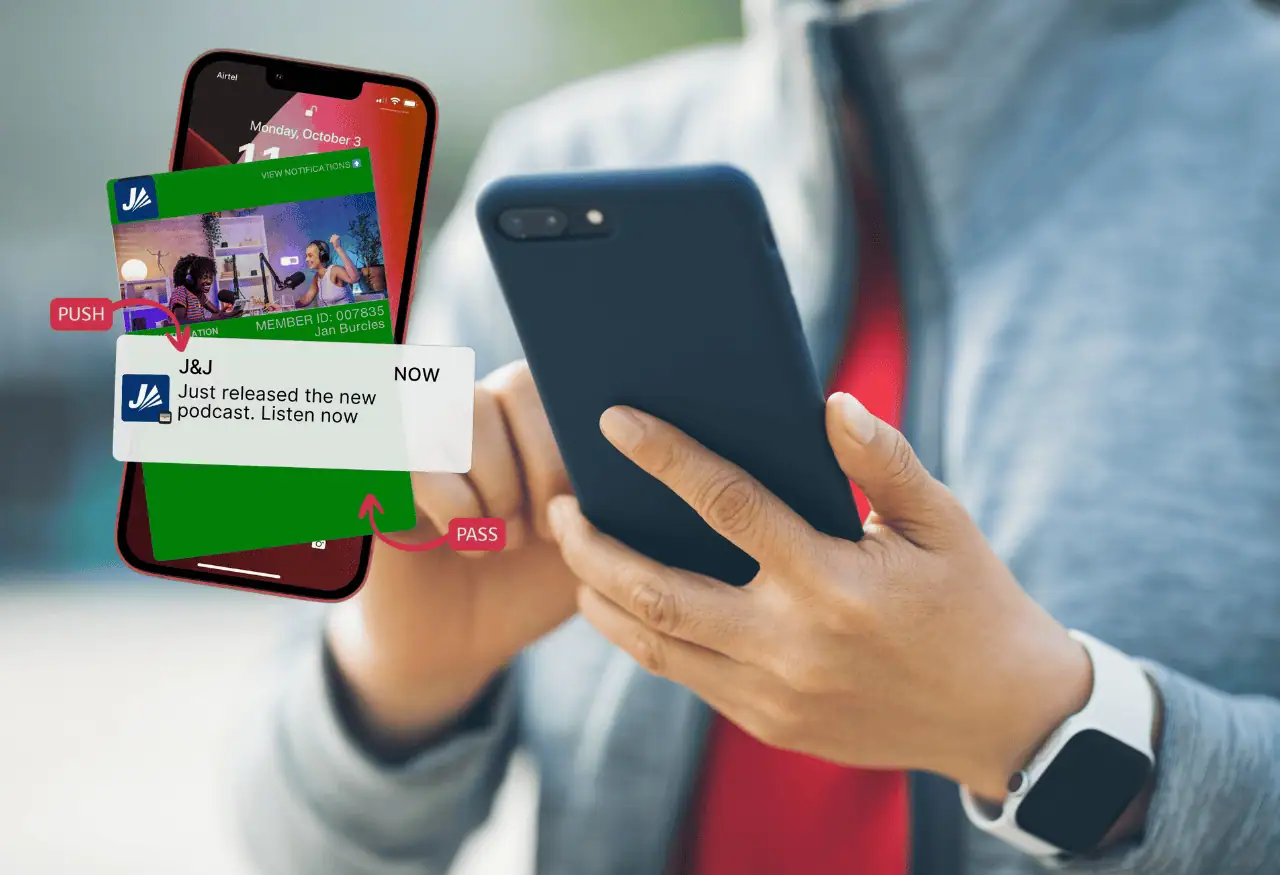
Digital loyalty cards are no longer just a way to track purchases. Stored in Apple Wallet and Google Wallet, they now support notifications, calls to action, and rewards for engagement as well as sales. This shift turns familiar loyalty cards into a low-friction channel for ongoing customer interaction.